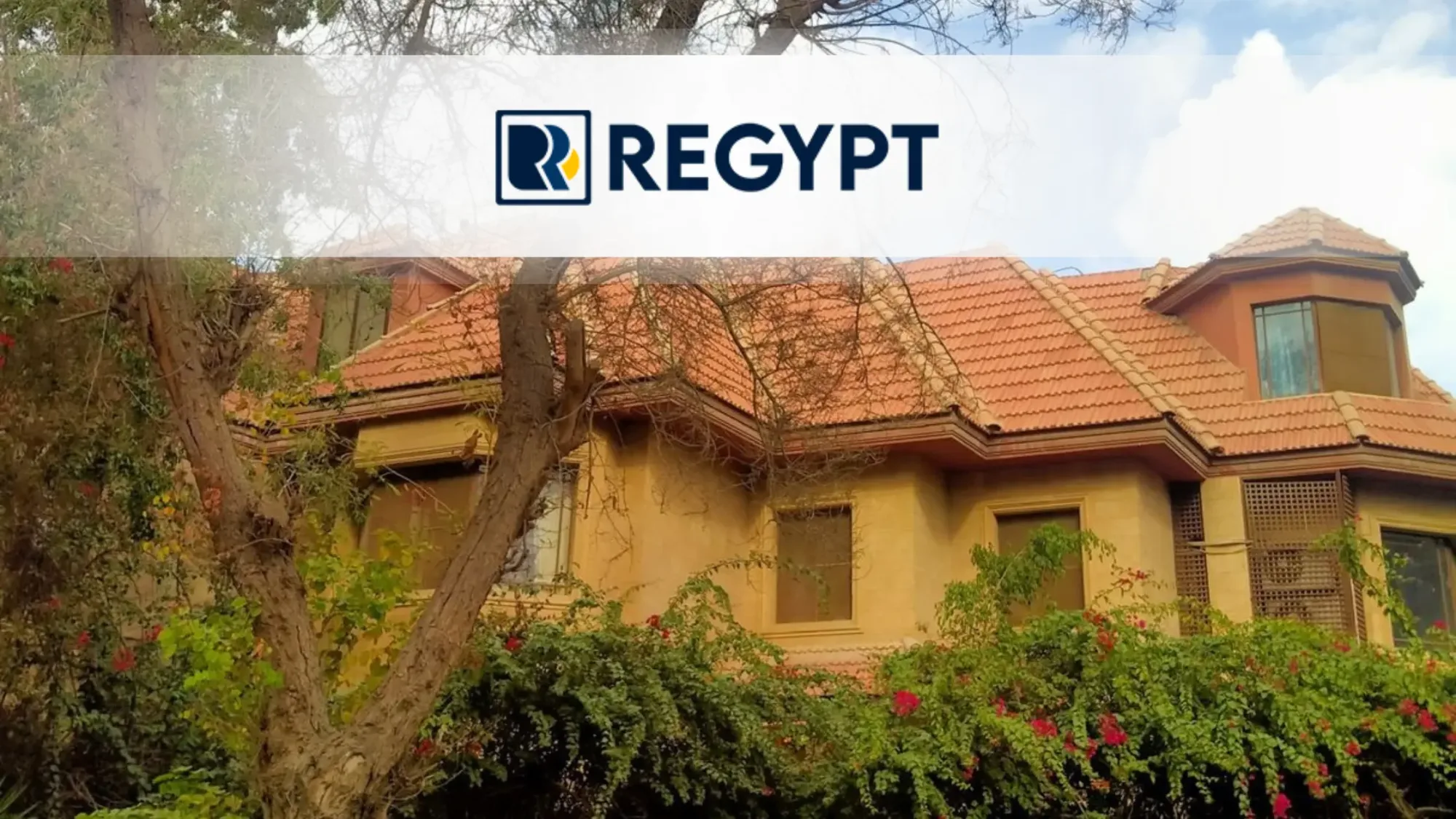
If you’re hunting for a house in Cairo that balances space, community, and value in 2026, a Maadi house remains one of the smartest choices for families. Compared with Zamalek’s cramped streets or New Cairo’s long commutes, Maadi delivers larger plots, mature greenery, and walkable amenities without the Zamalek premium. Asking prices for a Maadi house still sit well below Zamalek per m² while offering more privacy and garden space than New Cairo’s newer developments.
Why Maadi houses are a top 2026 choice for Cairo families
Maadi’s 2026 price band for houses is uniquely anchored by two forces: limited land supply and steady demand from expat families who prize space and stability. A villa in Maadi Gardens now lists at roughly EGP 65,000-90,000 per m², while a duplex in Maadi City runs about EGP 40,000-60,000 per m²-both cheaper per m² than Zamalek’s older villas yet roomier than New Cairo’s compact layouts. The 2025-2026 delivery wave of villas in Maadi Gardens has capped further spikes by adding 120 new units to the market, keeping prices from surging despite strong demand.
The zoning rules in Maadi’s core-minimum plot sizes of 400 m² and strict height limits-force developers to build low-rise villas rather than high-density towers, which protects both privacy and street character. Families also benefit from walkable access to Maadi Corniche, Maadi Gardens Park, and the American International School, all within a 10-minute stroll from most villas. Unlike New Cairo’s gated compounds that isolate residents behind walls, Maadi’s grid layout and older tree canopy create a village-like feel that Cairo’s newer districts struggle to replicate.
For buyers who want space without Zamalek’s price tag, Maadi’s 2026 market offers the clearest trade-off: you pay a premium for land, but you get a finished house on a sizable plot, not a shell in a distant compound. The result is a neighborhood where children can still play on sidewalks and families can entertain on private terraces-amenities that vanish in Zamalek and cost far more in New Cairo.
Maadi house prices per m² in 2026 - what you’ll actually pay
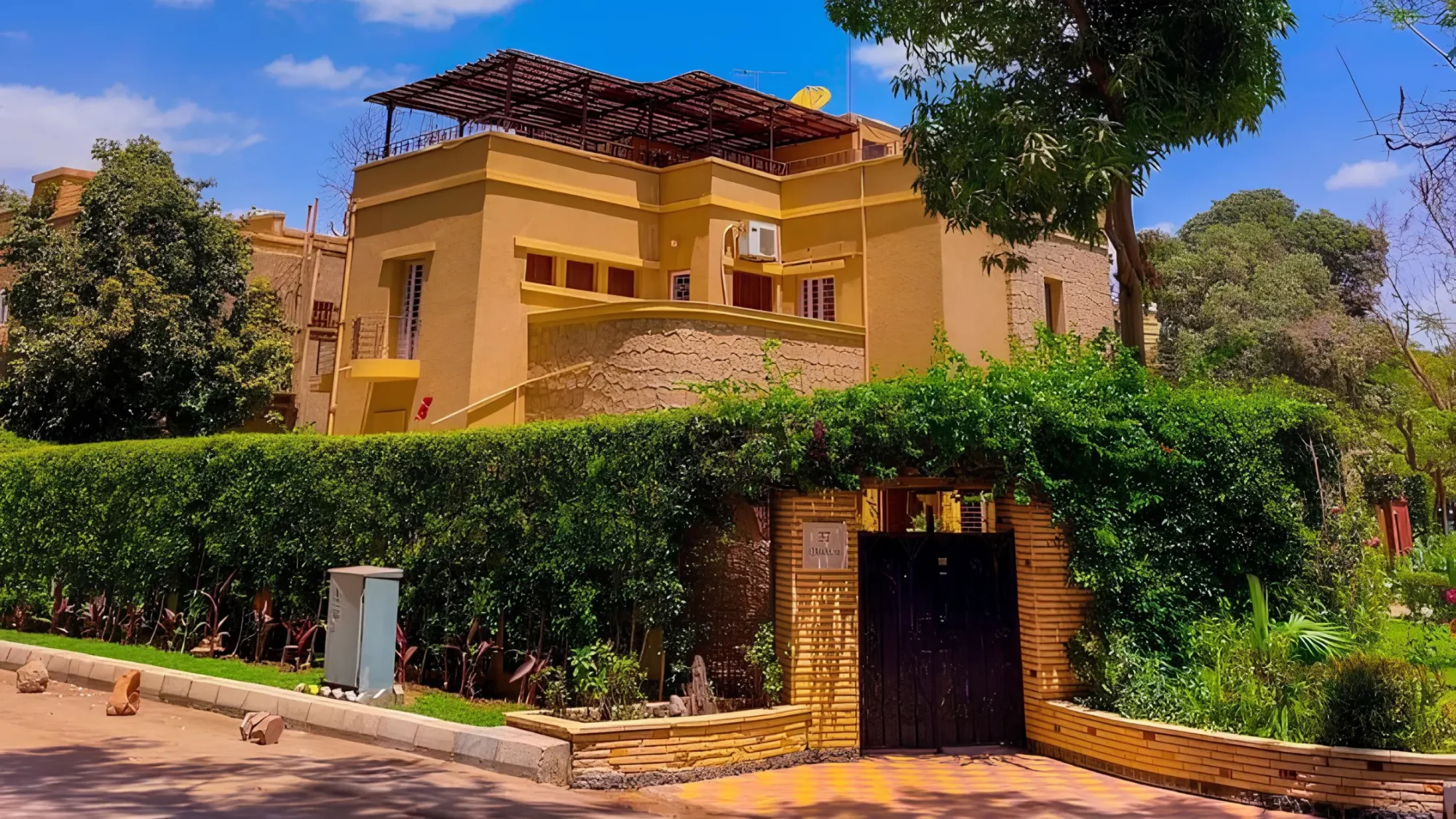
As of August 2026, asking prices for a Maadi house vary sharply by sub-neighborhood and property type. In Maadi Gardens, a newly delivered villa with Grade-A finishes commands roughly EGP 65,000-90,000 per m², while older stock on quiet side streets can dip to EGP 55,000 per m² if it needs full refurbishment. A Maadi house in Maadi City-typically a duplex-ranges from EGP 40,000 to 60,000 per m², with the lower end reflecting units more than ten years old and the upper end reserved for top-floor units with Corniche views. Maadi El Olya sits between the two: villas here trade between EGP 50,000 and 75,000 per m², depending on proximity to Road 9 and the quality of landscaping around the building.
Asking prices in Maadi Gardens often sit 5-10% above final sale prices in high-demand pockets near Maadi Corniche, where brokers report multiple offers within days of listing.
In Maadi City, duplexes within 500 m of Road 9 trade at a 12-15% premium over similar units two blocks inland, reflecting the convenience of quick access to Zamalek and Downtown.
Buyers targeting Maadi El Olya should budget for an extra 8-10% if the villa faces Road 9, because the noise and traffic offset the convenience for some families.
Top 5 Maadi neighborhoods for families in 2026
Choosing a Maadi house for your family means balancing space, safety, and lifestyle. Maadi Gardens leads with its expat-heavy streets-over 60% of villas here are rented by foreign diplomats and NGO staff, pushing up demand and Maadi house prices to roughly EGP 65,000-90,000 per m² as of August 2026. The draw? A 15-minute walk to the American International School and Maadi Gardens Park, where weekend farmers’ markets run year-round.
Maadi City, by contrast, offers the best value for duplexes. A 2-bedroom Maadi house here sells for roughly EGP 40,000-60,000 per m², nearly 30% below Maadi Gardens, because the area lacks a direct metro link-residents rely on microbuses to Sakanat El Maadi Metro. The trade-off? Wider streets and newer compounds, like those near Cairo International Hospital, where security is tighter than in older parts of Maadi.
Maadi El Olya stands out for its quiet. The neighborhood’s curved, tree-lined lanes-especially around El Tahrir Street-see 40% fewer cars than Maadi Square, thanks to a 2025 zoning rule that banned through-traffic. Villas here sell for roughly EGP 50,000-75,000 per m², but buyers pay a premium for the silence: no cafés or shops within a 10-minute walk, forcing families to drive for groceries.
Maadi El Taht El Tabaa wins for metro access. A Maadi house here is never more than 500 meters from Sakanat El Maadi Metro, cutting commutes to Downtown Cairo to 20 minutes. The catch? Noise. The metro’s elevated tracks run parallel to Road 9, where ground-floor apartments rent for 20% less than those on higher floors.
Maadi Square’s price inflation is the steepest in Maadi-up 18% in 2026 alone-because the metro Line 3 extension will open in late 2026, linking the area to Zamalek in 12 minutes. A 3-bedroom apartment that sold for EGP 3.2M in 2025 now lists at EGP 3.8M, with brokers quoting even higher for units facing Maadi Square itself.
Maadi vs Zamalek vs Heliopolis - which wins for your lifestyle?
If you need three bedrooms and a private garden, a Maadi house delivers more space for the budget than Zamalek’s compact apartments. A 200 m² villa in Maadi Gardens currently lists at roughly EGP 65,000-90,000 per m²-about 30 % below a comparable unit on Zamalek’s Gezira island-while still placing you within a 15-minute walk of Road 9’s cafés and the American International School.
Zamalek wins for prestige and walkability: a 10-minute stroll lands you at Cairo International Hospital or the Nile, but you’ll pay a premium for that convenience. Heliopolis, meanwhile, offers the lowest price per m² and a strong local community around Sakanat El Maadi Metro, yet lacks Maadi’s international schools and green corridors. Choose a Maadi house if space and value top your list; opt for Zamalek if you prioritize a car-free lifestyle, or Heliopolis if affordability and Egyptian neighborhood feel matter most.
Key amenities that make Maadi houses worth the price
Beyond the leafy streets, a Maadi house delivers amenities that most Cairo districts can’t match in 2026. The Maadi Gardens Park extension-opened in early 2026-adds 12 hectares of green space within walking distance of every villa on Road 9, lifting resale values by roughly 8-12 % for homes that back onto the park. Private 24/7 security in gated compounds like Maadi Gardens eliminates the need for personal guards, cutting household overheads by EGP 3,000-5,000 per month compared to older villas on El Tahrir Street. Underground parking ratios of 1.5 spaces per villa in new developments free up street parking and add roughly EGP 200,000 to the sale price of a Maadi house, a premium that buyers in Maadi Square are now willing to pay for daily convenience.
Top developers in Maadi and what they’re building in 2026
As of August 2026, three developers dominate the Maadi house market. Orascom leads with Montazah Gardens Phase 3, the only compound offering direct access to the new Montazah Beach Club lagoon-this premium adds roughly 12-15% to a Maadi house price versus comparable units in Maadi Gardens Park.
Palm Hills follows with Maadi City’s final duplex block, where asking prices sit at EGP 40,000-60,000 per m². SODIC rounds out the trio, delivering standalone villas on El Tahrir Street that command EGP 50,000-75,000 per m² due to proximity to the American International School.
Legal checklist: buying a Maadi house without surprises
Skipping the tax clearance certificate is the single biggest mistake when buying a Maadi house. Without it, the Tax Authority can place a lien on the property months after you move in, even if the seller provided a clean title at closing. Start with a reservation contract that locks the price and payment schedule, then immediately request the seller’s tax clearance certificate from the Maadi Tax Office on Road 9. If the property is in Maadi Gardens or Maadi El Olya, insist on seeing the Tawtheeq document before signing anything else; older villas in these areas often lack updated Tawtheeqs, and the notary will refuse to register the sale without it.
Foreign buyers must obtain Real Estate Finance Unit approval before the sales contract is notarised. The unit’s office is on Maadi Corniche, and processing takes 10-15 working days. Once approval is secured, schedule the due diligence with a local lawyer who checks the land registry extract for encumbrances and the building permit history. Only after these steps should you sign the sales contract at the Maadi Notary Public office near Maadi Square. Bring your passport, proof of address, and the seller’s original title deed; missing any item delays registration by weeks.
Not sure which option fits your budget and needs? Contact us and the Regypt team will walk you through the shortlist.
Conclusion
Choosing a Maadi house in 2026 comes down to balancing space, value, and lifestyle. If your priority is proximity to expat schools and metro access, Maadi Gardens delivers villas priced roughly EGP 65,000-90,000 per m², with rents for 3-bed homes running EGP 25,000-45,000 per month. For buyers seeking duplexes under EGP 60,000 per m², Maadi City remains the standout option, where 2-bed units rent for EGP 18,000-30,000 monthly. Navigate the legal steps carefully-security deposits typically run 1-2 months’ rent and are refundable after handover inspection-to avoid surprises. A Maadi house is a smart investment when the neighborhood and paperwork align with your goals.