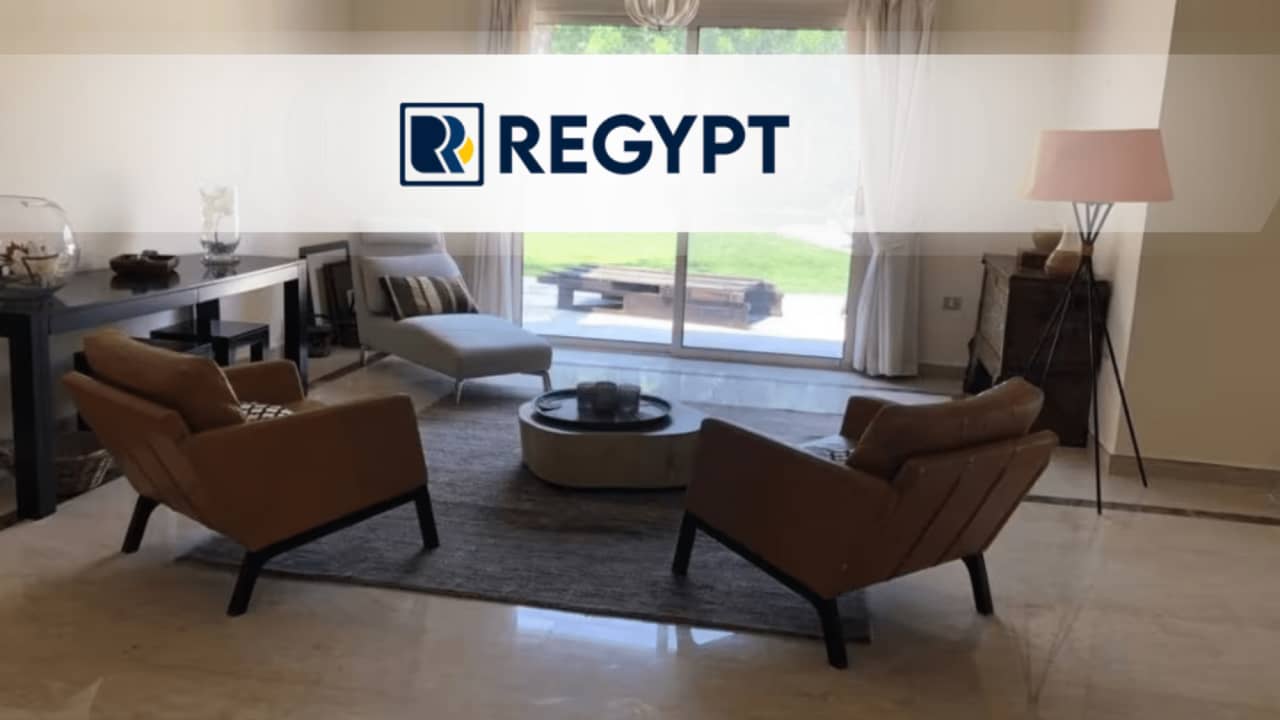
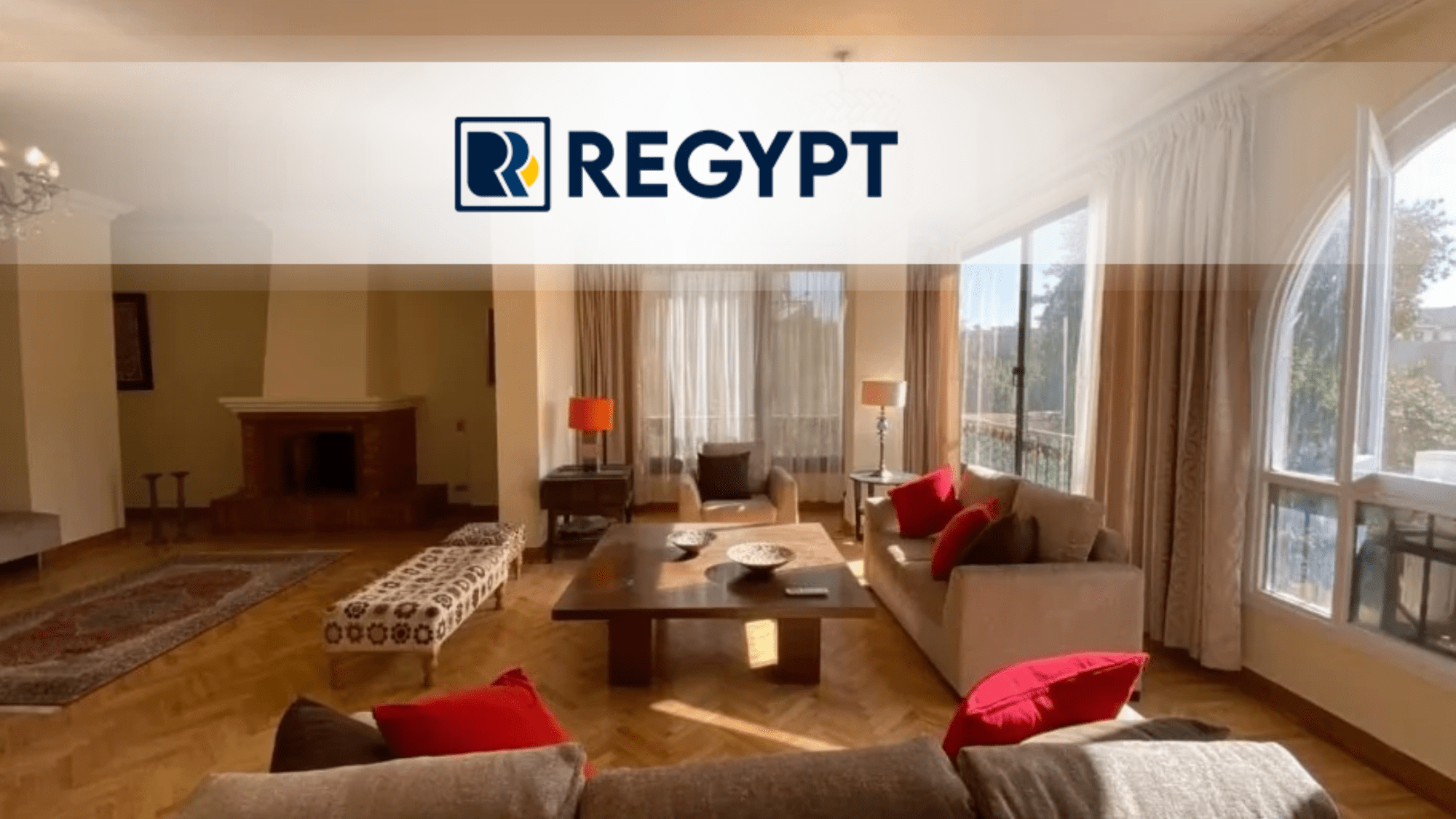
Before deciding to rent a furnished apartment, you should not rely solely on photos or your first impression during the viewing. It is essential to make sure the property meets your needs and is ready to move into without unexpected problems or additional costs.
So, what should you check before renting a furnished apartment? This includes inspecting the condition of the furniture and electrical appliances, checking the electricity and
plumbing systems, ensuring the apartment is clean, reviewing the available facilities and services, and carefully examining the rental agreement terms.
Why Should You Inspect a Furnished Apartment Before Renting?
Inspecting a furnished apartment before renting is an essential step to ensure the
property's quality and readiness for occupancy and avoid problems that may arise after moving in.
The inspection should cover more than just the furniture; it should also include appliances, utilities, facilities, and rental terms.
Here are the main reasons why inspecting the apartment is important:
1. Check the Quality of Furniture and Furnishings
Inspecting the furniture helps you ensure that beds, sofas, tables, wardrobes, and other furnishings are in good condition and free from damage or defects that could affect your comfort during your stay.
2. Avoid Breakdowns and Additional Expenses
Testing electrical appliances, air-conditioning systems, water heaters, and household equipment before renting helps identify any faults early and establish which party is responsible for repairs, according to the agreement with the landlord.
3. Ensure the Safety of Essential Utilities
It is important to inspect the electricity, water supply, plumbing, and gas systems to ensure they are functioning properly.
You should also check for leaks, low water pressure, or drainage problems.
4. Evaluate Cleanliness and Move-in Readiness
Checking the cleanliness of the apartment, kitchen, bathrooms, and furnishings ensures that the property is ready for use. It also helps identify any cleaning or preparation needed before moving in.
5. Protect Your Rights When Getting Your Security Deposit Back
Documenting the condition of the apartment, furniture, and appliances through photos and videos before moving in helps prevent disputes with the landlord at the end of the rental period, especially when assessing damages or deductions from the security deposit.
6. Make Sure the Rent Matches the Apartment's Features
Inspecting the property allows you to compare the rental price with the finishing quality, furniture condition, location, and available services.
This helps you determine whether the rent is reasonable for what you are actually getting.
7. Avoid Problems After Moving In
A thorough inspection before signing the agreement helps identify defects or issues that might not be noticeable during a quick viewing.
This gives you an opportunity to discuss them with the landlord and agree on necessary repairs before moving in.
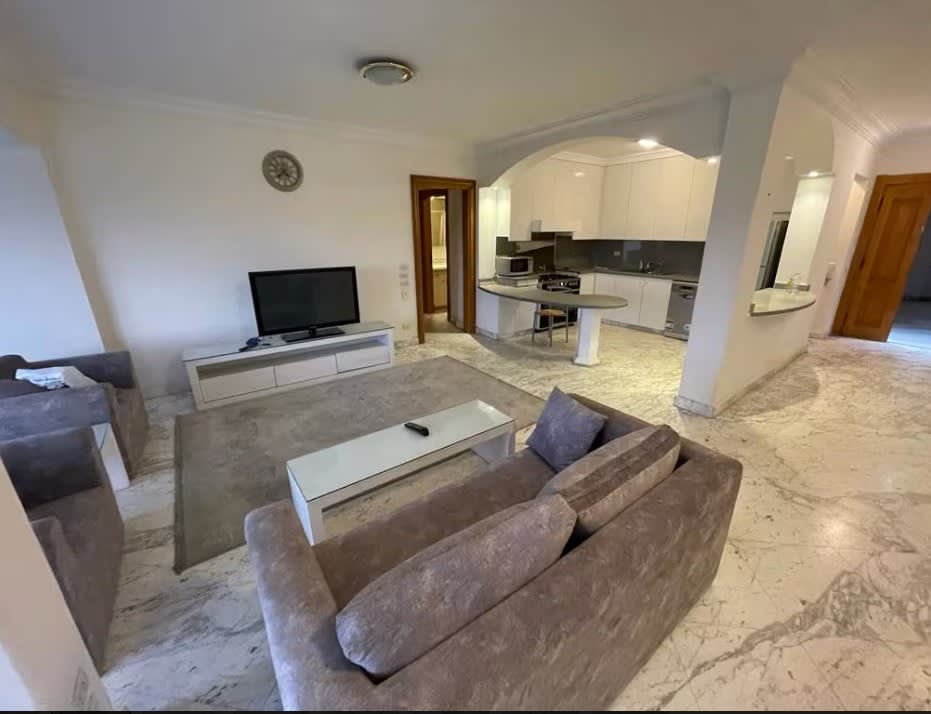
What Should You Check Before Renting a Furnished Apartment?
Before renting a furnished apartment, it is important to conduct a thorough inspection to ensure that the property is in good condition and ready for occupancy. Do not rely solely on photos or check only its general appearance. Here are the main things to review during the viewing:
Furniture and furnishings: Check the condition of beds, mattresses, sofas, wardrobes, and tables, making sure they are free from damage or broken parts.
Electrical appliances: Test the air conditioner, refrigerator, washing machine, stove, television, and water heater to make sure they are working properly.
Electricity and lighting: Inspect switches, electrical outlets, lighting fixtures, and the distribution panel. Make sure there are no exposed wires.
Plumbing and water supply: Test water pressure, faucets, toilet flushes, and sink drainage, and check for leaks.
Kitchen and bathrooms: Review the condition of cabinets, sinks, sanitary fixtures, ventilation, and surface cleanliness.
Doors and windows: Check that locks and keys work properly, windows close securely, and there is no visible damage.
Cleanliness and ventilation: Inspect floors, furnishings, and curtains, and make sure there are no damp or musty odors or signs of mold.
Internet and utilities: Ask whether internet service is available and whether electricity, water, and gas bills are included in the rent.
Location and building: Check the condition of the building entrance, elevator, security arrangements, and parking facilities, as well as the property's proximity to
essential services.
Rental agreement and security deposit: Review the rental period, rent amount, security deposit, renewal and termination conditions, and responsibility for repairs
and damage.
It is also best to photograph the apartment and all its contents before taking possession. Record any existing damage or observations in a checklist agreed upon with the landlord and attach it to the rental agreement to avoid future disputes.
What Should You Check in the Electrical and Plumbing Systems?
Inspecting the electrical and plumbing systems is one of the most important steps when viewing a furnished apartment before renting. Any faults in these systems could cause inconvenience or additional expenses during your stay.
Therefore, you should make sure that the electrical connections are safe and that the water supply and drainage systems are functioning properly by checking the following:
First: Inspecting the Electrical System
Light switches and electrical outlets: Make sure all switches and outlets work properly and that there are no broken components or exposed wires.
Electrical distribution panel: Check that the circuit breaker panel is in good condition and has no signs of burning or damage.
Lighting: Test all lighting fixtures in the bedrooms, kitchen, and bathrooms.
Electrical appliances: Try operating the air conditioner, refrigerator, washing machine, and water heater to ensure the electrical connections are working
properly.
Electrical safety: Make sure appropriate safety devices, such as residual current circuit breakers, are installed. Avoid touching any exposed electrical wires.
Second: Inspecting the Plumbing System
Water pressure: Turn on the faucets in the kitchen and bathrooms to check that the
water flow is strong and consistent.
Water leaks: Inspect underneath sinks and around water heaters and toilets for leaks or signs of moisture.
Drainage: Test the sinks and shower drains to make sure the water flows properly without blockages.
Water heater: Make sure the water heater works normally and that there are no leaks around it.
Toilets and sanitary fixtures: Test the flush, faucets, and shower, and check that all fixtures are properly installed.
Odors and dampness: Look out for sewage odors or damp spots on walls and ceilings, as these may indicate problems with the pipes.
Tip: If you notice any electrical or plumbing faults during the viewing, ask the landlord to fix them before you take possession of the apartment. Document the condition of the utilities in the handover report to avoid being held responsible for pre-existing problems.
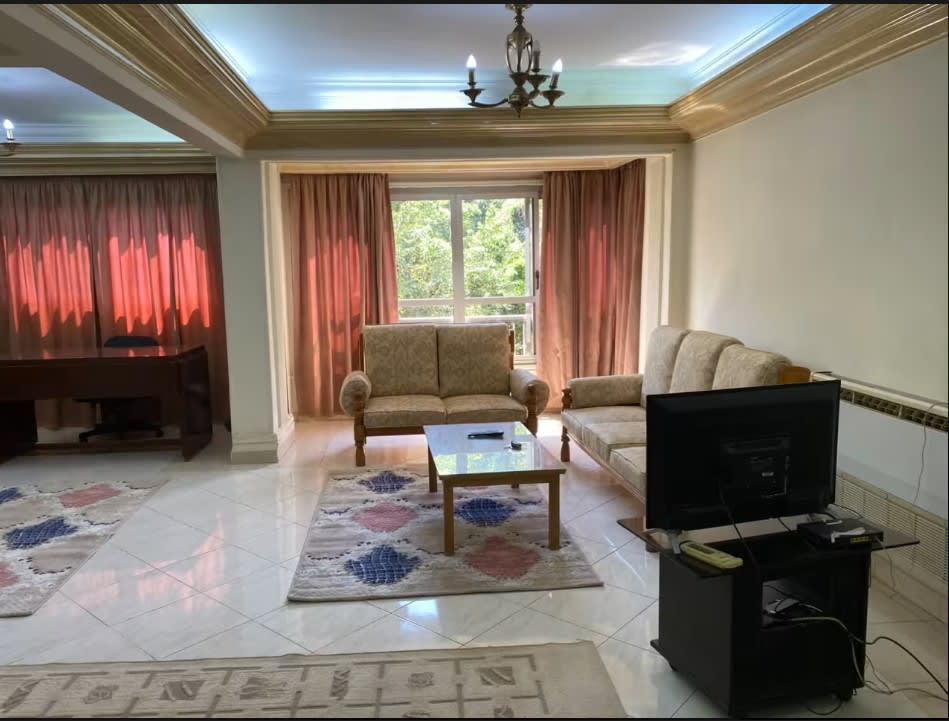
How Can You Make Sure the Apartment Is Clean and Ready to Move Into?
Before renting a furnished apartment, it is important to ensure that all areas are clean and that the property is equipped for everyday use without requiring additional cleaning or preparation.
This involves more than checking its general appearance; you should also inspect the furnishings, kitchen, bathrooms, ventilation, and less visible areas. Here are the main things to review:
Floors and walls: Make sure the floors are clean and the walls are free from stains, damp patches, and mold.
Furniture and furnishings: Inspect the cleanliness of sofas, mattresses, pillows, curtains, and carpets, making sure they are free from stains and unpleasant odors.
Kitchen: Check that cabinets, countertops, the refrigerator, oven, and sinks are clean and free from food residue or insects.
Bathrooms: Inspect the cleanliness of toilets, sinks, showers, and tiles, and make sure there is no buildup or sewage odor.
Ventilation and air conditioning: Make sure the air-conditioning units work properly and that bedrooms and bathrooms have adequate ventilation. Check for any musty or damp odors.
Wardrobes and storage spaces: Open cabinets and drawers to make sure they are clean and free from dust or insects.
Essential furnishings: Confirm that the agreed-upon bed linens, towels, and household items are available, clean, and ready to use.
Pest control: Inspect corners, behind furniture, and underneath sinks for signs of
insect activity.
Tip: It is best to agree with the landlord that the apartment will be handed over clean and ready to move into. Specify any cleaning or preparation work required before your move-in date so that you do not incur additional costs that were not included in the rental
agreement.
What Services and Facilities Should You Make Sure Are Available?
Choosing the right furnished apartment depends on more than the condition of the furniture and finishing. You should also make sure that the services and facilities needed for a comfortable and convenient stay are available. Before signing the rental agreement, here are the main services you should check:
Water, electricity, and gas: Make sure essential utilities are available and functioning properly. Ask how bills are calculated and who is responsible for paying them.
Internet: Check whether internet service is available and ask about its speed, especially if you work from home or need a reliable connection.
Air conditioning and heating: Make sure suitable air-conditioning or heating systems are available and test their performance before taking possession.
Elevator: If the apartment is on a higher floor, check whether there is an elevator and whether it is regularly maintained and operational.
Security and building staff: Ask whether the building has security personnel, surveillance cameras, or an access-control system.
Parking: Check whether a parking space is available if you need one, and whether it
is included in the rent or requires an additional fee.
Cleaning and shared facilities: Ask about the cleanliness of entrances, staircases, and common areas, and find out who is responsible for managing them.
Repair and emergency services: Find out how to report faults and who is responsible for the cost of repairing appliances and utilities inside the apartment.
Do not assume that all services are included in the rental price. Ask for clarification about the available services, additional costs, and each party's responsibilities, and make sure these details are included in the rental agreement to avoid disputes during your stay.
What Warning Signs Should You Look Out for Before Renting a Furnished Apartment?
Before deciding to rent a furnished apartment, there are certain warning signs that may indicate problems with the property or unclear rental terms. It is important to pay attention to these issues during the viewing and when reviewing the rental details. Here are the main warning signs you should not ignore:
Damaged furniture or appliances: Broken furniture or appliances that do not work properly, especially if their condition was not disclosed before signing the
agreement.
Signs of dampness or water leaks: Stains on walls or ceilings, or moldy odors, may indicate plumbing or insulation problems.
Electrical and plumbing faults: Issues such as frequent power outages, low water pressure, or blocked drains should be addressed before taking possession.
Poor apartment cleanliness: Insects, unpleasant odors, or accumulated dust may indicate that the property has not been properly prepared for occupancy.
Differences between the apartment and its advertised photos: If the condition of the furniture, finishing, or actual space differs from what was advertised, clarify these
differences before reaching an agreement.
Unclear rent and additional expenses: Utility bills, internet fees, or service charges should be clearly explained, including who is responsible for paying them.
Refusal to document the apartment's condition and contents: Avoid signing an agreement without preparing an inventory of the furniture and appliances and
recording any pre-existing damage to protect both parties' rights.
Pressure to sign the agreement or pay immediately: Be cautious if you are not given enough time to inspect the apartment, review the agreement, or verify the landlord's identity or the identity of their representative.
If you notice any of these warning signs, do not rush into signing the agreement or paying the security deposit. Ask for clarification and make sure a solution is agreed upon in writing before taking possession of the apartment.
Do You Have to Pay a Security Deposit When Renting a Furnished Apartment?
Paying a security deposit when renting a furnished apartment is common practice.
Landlords usually request it to help ensure that the furniture, appliances, and other property contents are kept in good condition throughout the rental period.
The deposit amount varies depending on the rental period, rent value, and condition of the apartment. It is agreed upon by both parties before signing the rental agreement.
It is important to clarify the conditions for getting the deposit back and the circumstances in which the landlord may deduct part of it, such as damage caused by misuse or failure to comply with the rental agreement.
Therefore, make sure to document the condition of the apartment and its contents when taking possession, record any pre-existing damage, and clearly state the deposit amount and refund conditions in the rental agreement to avoid disputes at the end of the tenancy.
How Can You Protect Yourself from Disputes Over Security Deposits and Damages?
To avoid disputes with the landlord at the end of a furnished apartment rental agreement, it is important to document the property's condition and contents before moving in. You should also clearly agree on each party's responsibility for damages and the conditions for refunding the security deposit.
Here are some steps that can help protect your rights:
Photograph the apartment before moving in: Take photos and videos of the furniture, appliances, walls, floors, and bathrooms to document their original
condition.
Prepare an inventory of the contents: List all furniture, appliances, and furnishings in the apartment, noting their condition and any pre-existing damage.
Clarify repair responsibilities: Agree with the landlord on the difference between normal wear and tear and damage caused by misuse, and establish who is
responsible for repair costs in each case.
Specify the security deposit refund conditions: Include in the agreement the circumstances that allow deductions from the deposit and when the amount will be
refunded after the rental period ends.
Put all agreements in writing: Do not rely on verbal agreements. Make sure all obligations and exceptions are included in the rental agreement or in an addendum signed by both parties.
Keep proof of payment: Retain a receipt or document showing the security deposit amount, payment date, and the person or party who received it.
By following these steps, you can reduce the likelihood of disputes when handing back the apartment and ensure that your rights and responsibilities remain clear throughout the rental period.
Not sure which option fits your budget and needs? Contact us and the Regypt team will walk you through the shortlist.