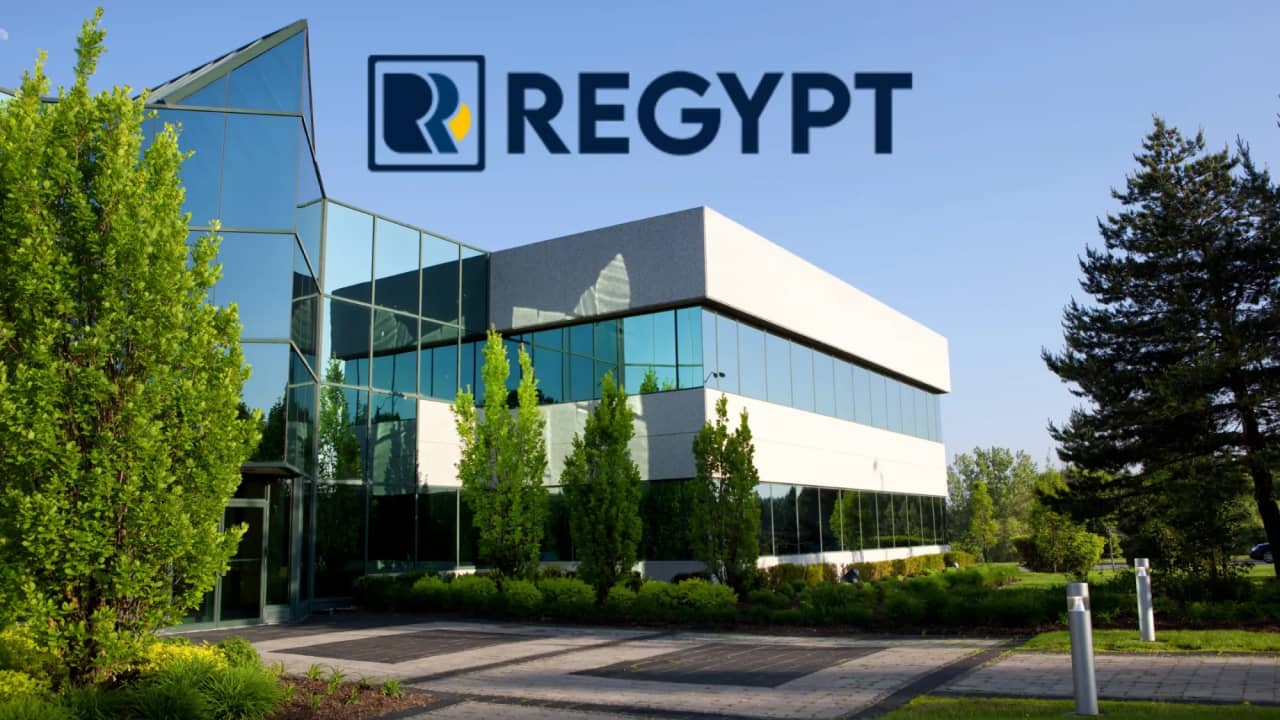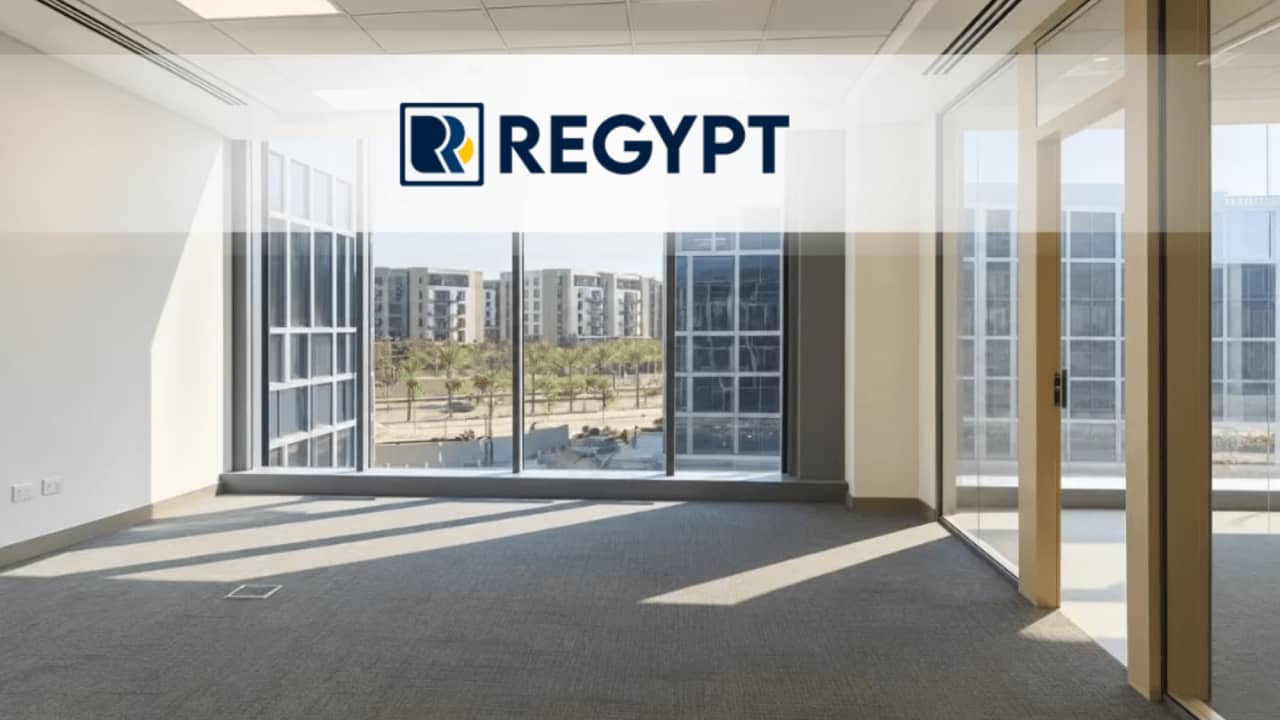
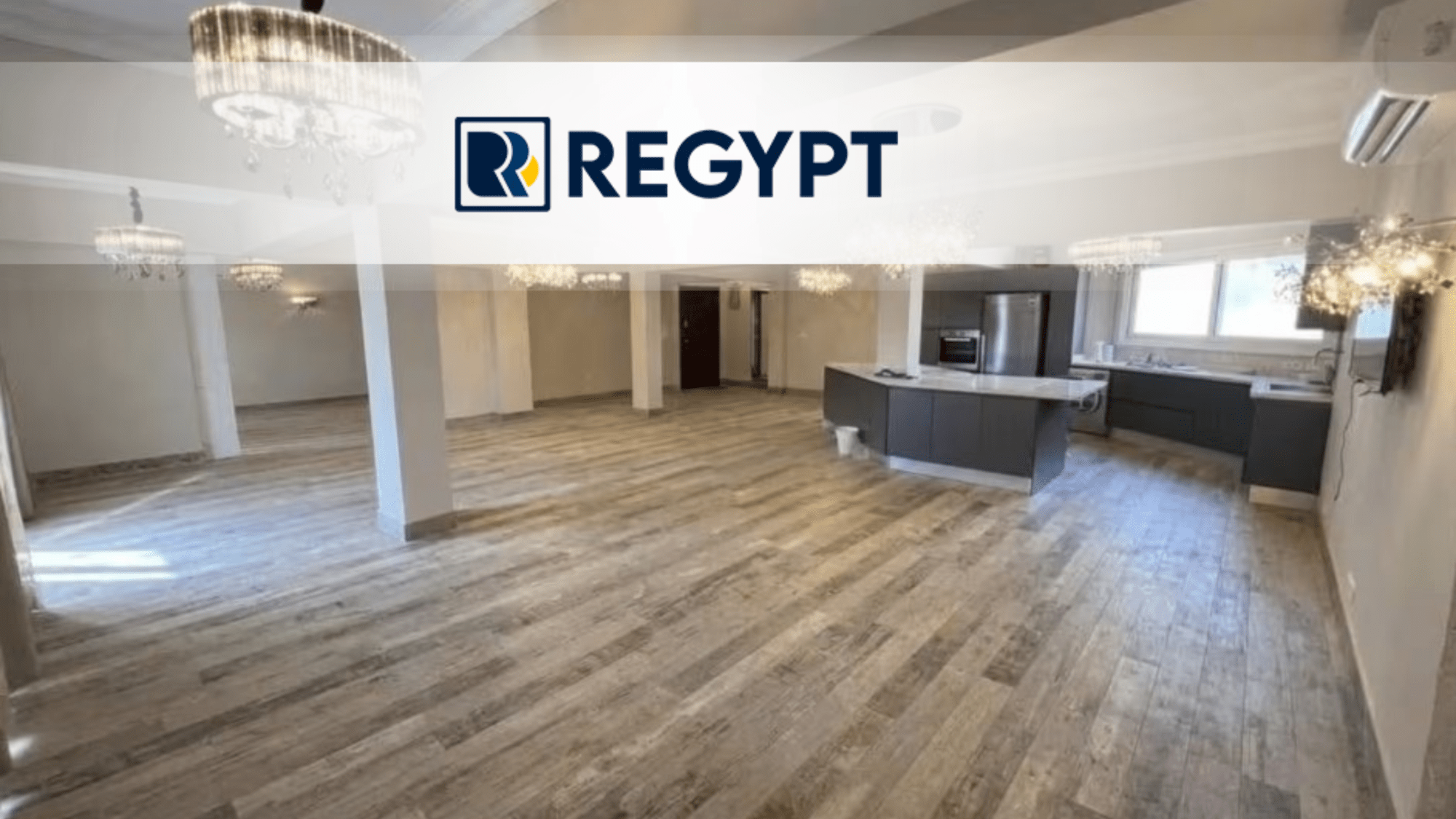
Real estate investment varies depending on the property type and its intended use. Some properties are designed for residential purposes, while others are intended for commercial activities and generating investment returns.
The difference between residential and commercial properties lies in their intended use, purchase prices, rental values, demand levels, and management costs.
What Is the Difference Between Residential and Commercial Properties?
Residential and commercial properties differ in terms of their intended use, tenant profiles, investment returns, and associated costs.
The following table highlights the main differences between the two types to help you understand their characteristics and choose the option that best suits your needs:
Comparison Factor | Residential Properties | Commercial Properties |
Purpose | Designed for housing and everyday living. | Designed for commercial and professional activities. |
Property Types | Apartments, villas, duplexes, penthouses, and studios. | Administrative offices, retail shops, medical clinics, shopping malls, and coworking spaces. |
Tenants | Individuals, families, and students. | Companies, business owners, investors, and professionals. |
Property Locations | Residential neighborhoods close to schools, services, and transportation. | Commercial and administrative districts, main streets, and shopping centers. |
Rental Value | Depends on the property's size, finishing, location, number of rooms, and available facilities. | Depends on the commercial location, customer traffic, business activity, size, and facilities. |
Lease Duration | Varies depending on the agreement and rental purpose. | Varies depending on the commercial activity and the agreement between the landlord and tenant. |
Investment Returns | Depend on residential demand, rental value, and property purchase price. | Depend on the commercial location, demand for commercial spaces, and rental value. |
Preparation Costs | Include finishing, furnishing, appliances, and household equipment. | Include finishing, interior partitions, and facilities suitable for the intended business activity. |
Property Management | Includes tenant follow-ups, contract management, rent collection, and preparing the unit. | Includes contract management, monitoring commercial activities, and ensuring the property is suitable for the agreed use. |
Key Selection Factors | Proximity to services, schools, transportation, and neighborhood quality. | Commercial location, accessibility, visibility, customer traffic, and availability of services. |
In summary: Residential properties are suitable for those looking for a home or an investment based on housing demand, while commercial properties are suitable for investors seeking to rent out or use spaces for business and professional activities.
Neither type can be considered universally better for investment, as the right choice depends on the purchase price, location, demand, and expected returns.
What Are the Types of Residential and Commercial Properties?
Real estate is divided into several categories depending on its intended use and the requirements of buyers and tenants.
Residential properties include units designed for living, while commercial properties consist of spaces equipped for business, administrative, and professional activities. Below are the main types of each category:
First: Types of Residential Properties
1. Residential Apartments: Units designed for individuals and families, varying in size, number of rooms, finishing standards, and location.
2. Villas: Standalone properties or homes within residential compounds, offering larger spaces, greater privacy, and additional facilities.
3. Duplexes: Residential units consisting of two connected floors with an internal
staircase, suitable for families that need more space.
4. Penthouses: Units located on the upper floors of buildings, often featuring terraces and open views.
5. Studios: Small units combining living and sleeping areas in an open-plan layout, suitable for individuals and students.
6. Townhouses and Twin Houses: Residential units within compounds featuring
similar designs and outdoor spaces, with differences in how they connect to
neighboring units.
7. Serviced Apartments: Furnished and equipped units designed for short- or
long-term stays, offering services and facilities to meet residents' needs.
Second: Types of Commercial Properties
1. Administrative Offices: Spaces designed for companies, institutions, and
administrative and professional activities.
2. Retail Shops: Units intended for retail sales, product displays, and providing services to customers.
3. Medical Clinics: Units equipped for medical practices and healthcare services.
4. Commercial and Administrative Buildings: Buildings containing offices, shops, and various units designated for commercial and professional activities.
5. Coworking Spaces: Equipped workplaces offering shared or private offices for
individuals and startups.
6. Shopping Malls: Developments containing a collection of shops, retail stores,
restaurants, and services in one location.
7. Warehouses and Storage Facilities: Spaces designated for storing and distributing goods and products, used by companies and commercial businesses.
Note: The permitted use of certain properties may vary depending on licensing requirements and applicable regulations. Therefore, it is important to verify that a unit is legally suitable for the intended activity before purchasing or renting it.
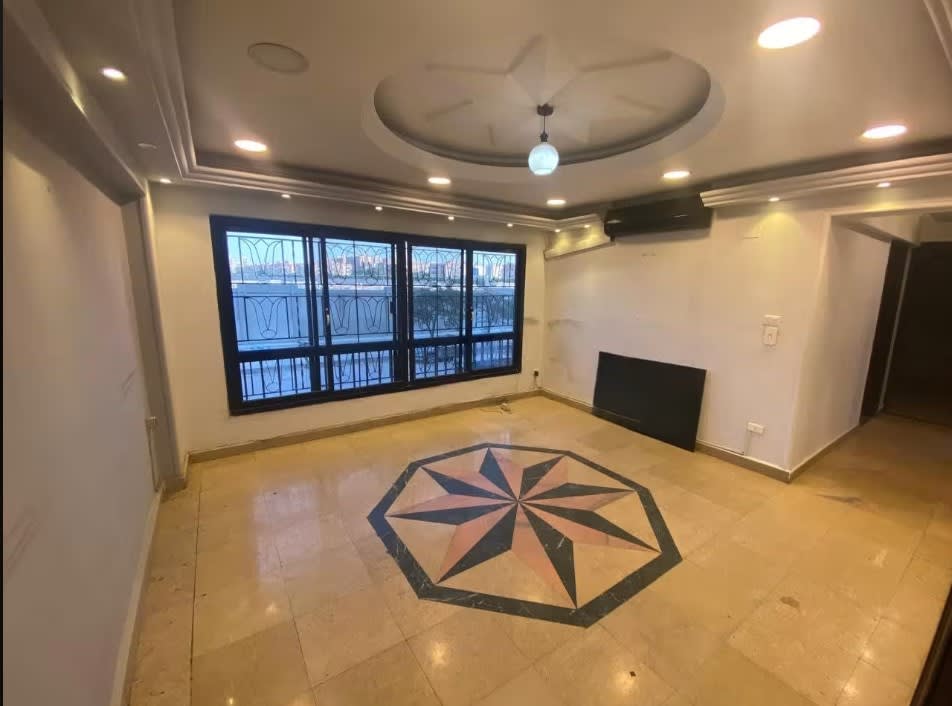
Comparing Rental Yields for Residential and Commercial Properties
The following table highlights the main differences between residential and commercial properties in terms of rental values, investment returns, and factors affecting profitability.
Comparison Factor | Residential Properties | Commercial Properties |
Average Rental Value | Varies depending on the area, size, finishing standards, and number of rooms. | Varies depending on the commercial location, size, business activity, and customer traffic. |
Annual Rental Yield | Depends on the annual rental income compared with the property's purchase price. | Depends on the annual commercial rental income compared with the property's purchase cost. |
Rental Demand | Driven by the housing needs of individuals, families, students, and expatriates. | Driven by the needs of companies, business owners, and investors. |
Lease Duration | Can be short-term or long-term, depending on the property type and agreement. | May extend over longer periods depending on the nature of the business and contractual terms. |
Vacancy Periods | Affected by residential demand, rental prices, and the property's condition. | Affected by the commercial location, economic activity, and the property's suitability for potential tenants. |
Preparation Costs | Include finishing, furnishing, and household appliances, particularly for furnished units. | Include finishing, interior partitions, and equipment required for the intended business activity. |
Income Stability | Can provide recurring income due to ongoing demand for housing. | Can provide stable income when a suitable location and reliable commercial tenant are selected. |
Factors Affecting Profitability | Location, size, finishing, residential demand, and purchase price. | Commercial location, customer traffic, business type, demand, and purchase price. |
How Do You Calculate Annual Rental Yield?
Gross annual rental yield can be calculated using the following formula:
Annual Rental Yield = (Annual Rental Income ÷ Property Purchase Price) × 100
For example:
A residential property purchased for EGP 3,000,000 and rented for EGP 20,000 per month generates a gross annual rental yield of 8%.
A commercial property purchased for EGP 5,000,000 and rented for EGP 40,000 per month generates a gross annual rental yield of 9.6%.
These figures are hypothetical examples for illustration purposes and do not represent market averages or actual property listings.
Note: This percentage represents the gross yield before deducting expenses, taxes, vacancy periods, management costs, and preparation expenses. Therefore, when comparing residential and commercial properties, it is important to calculate the net rental yield rather than relying solely on monthly rental income.
What Is the Difference Between the Purchase and Management Costs of Residential and Commercial Properties?
Below are the main differences between residential and commercial properties in terms of purchase, preparation, operating, and management costs to help you determine the appropriate investment budget:
First: Purchase Costs of Residential and Commercial Properties
Comparison Factor | Residential Properties | Commercial Properties |
Purchase Price | Depends on the area, size, number of rooms, and finishing standards. | Depends on the commercial location, customer traffic, business activity, and property size. |
Down Payment and Installments | Payment plans vary depending on the real estate developer and property type. | Vary depending on the project, developer, unit location, and property type. |
Finishing Costs | Include flooring, painting, kitchens, bathrooms, and household fittings. | Include space divisions, flooring, lighting, and facilities suitable for commercial activities. |
Furnishing and Equipment | May include furniture and household appliances, particularly when preparing a unit for furnished rental. | May include office furniture, display systems, and equipment specific to the business activity. |
Licensing and Procedures | Include ownership documents and legal procedures related to residential property use. | Include ownership documents, licenses, and requirements for conducting commercial activities. |
Second: Management Costs of Residential and Commercial Properties
Comparison Factor | Residential Properties | Commercial Properties |
Rental Management | Following up with tenants, collecting rent, and renewing contracts. | Following up with companies and commercial businesses, collecting rent, and managing contracts. |
Preparation Before Renting | Cleaning and preparing the unit and providing furniture and appliances when needed. | Preparing the space according to the requirements of the business activity and tenant. |
Operating Expenses | Include utilities, shared services, and agreed-upon expenses. | Include utilities, shared services, and operating expenses associated with the property. |
Tenant Management | Handling tenant requests and monitoring contractual obligations. | Coordinating with companies and tenants and monitoring contractual obligations and permitted use. |
Marketing and Leasing | Photographing the unit, publishing listings, and responding to inquiries from prospective tenants. | Marketing offices, shops, and clinics to companies and business owners. |
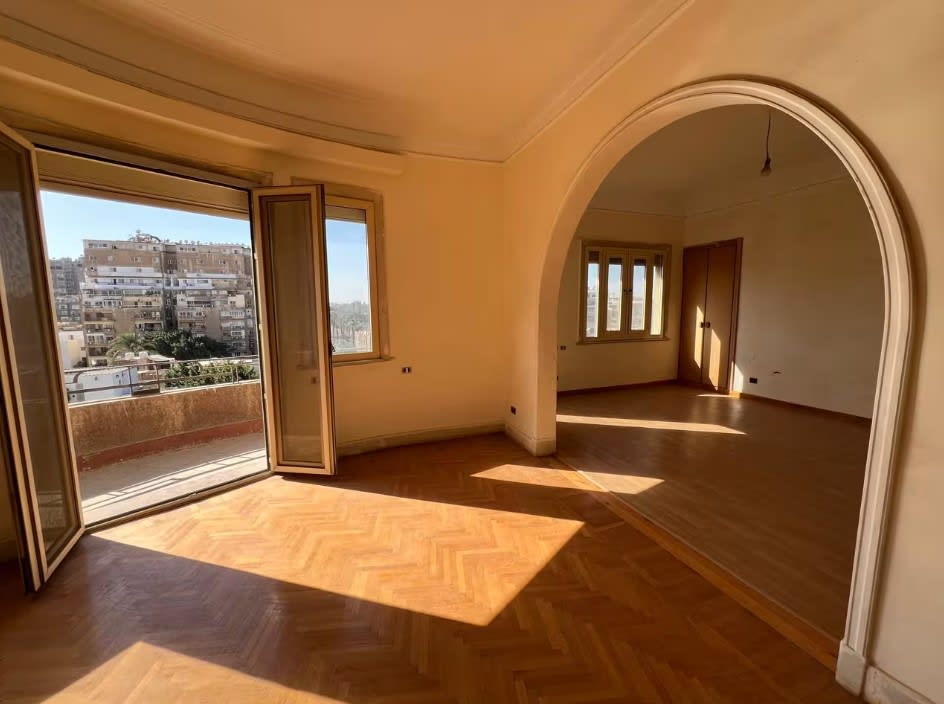
What Factors Determine Whether to Choose a Residential or Commercial Property?
Choosing a residential or commercial property depends on the purpose of the purchase or rental, available budget, and expected investment returns. Before making a decision, several factors should be carefully evaluated to ensure that you select a property that meets your needs, the most important include:
Property Purpose: Determine whether you are looking for a home for personal use, a property that generates rental income, or a space for conducting business activities.
Available Budget: Compare purchase and rental prices, finishing and preparation
costs, and additional expenses.
Location: Choose an area that suits the intended use. Residential properties benefit from proximity to schools, services, and transportation, while commercial properties benefit from high-traffic locations, accessibility, and customer movement.
Investment Returns: Compare the expected rental income with the property's purchase price and associated expenses to determine the net return.
Demand Levels: Research demand for apartments and villas or offices and shops in the target area, as well as how easily you can find tenants.
Operating and Management Costs: Consider preparation expenses, maintenance, services, contract management, and tenant follow-ups.
Licensing and Legal Use: Ensure that the property is legally registered and permitted for the intended purpose, particularly when purchasing a unit for commercial
activities.
Future Appreciation Potential: Research development plans, new projects, and
infrastructure improvements in the area, as these may affect property values and
future resale or rental opportunities.
Tip: Do not base your decision solely on the property's purchase price or rental value. Compare all costs, expected returns, and potential risks to determine which option best suits your investment goals.
Not sure which option fits your budget and needs? Contact us and the Regypt team will walk you through the shortlist.