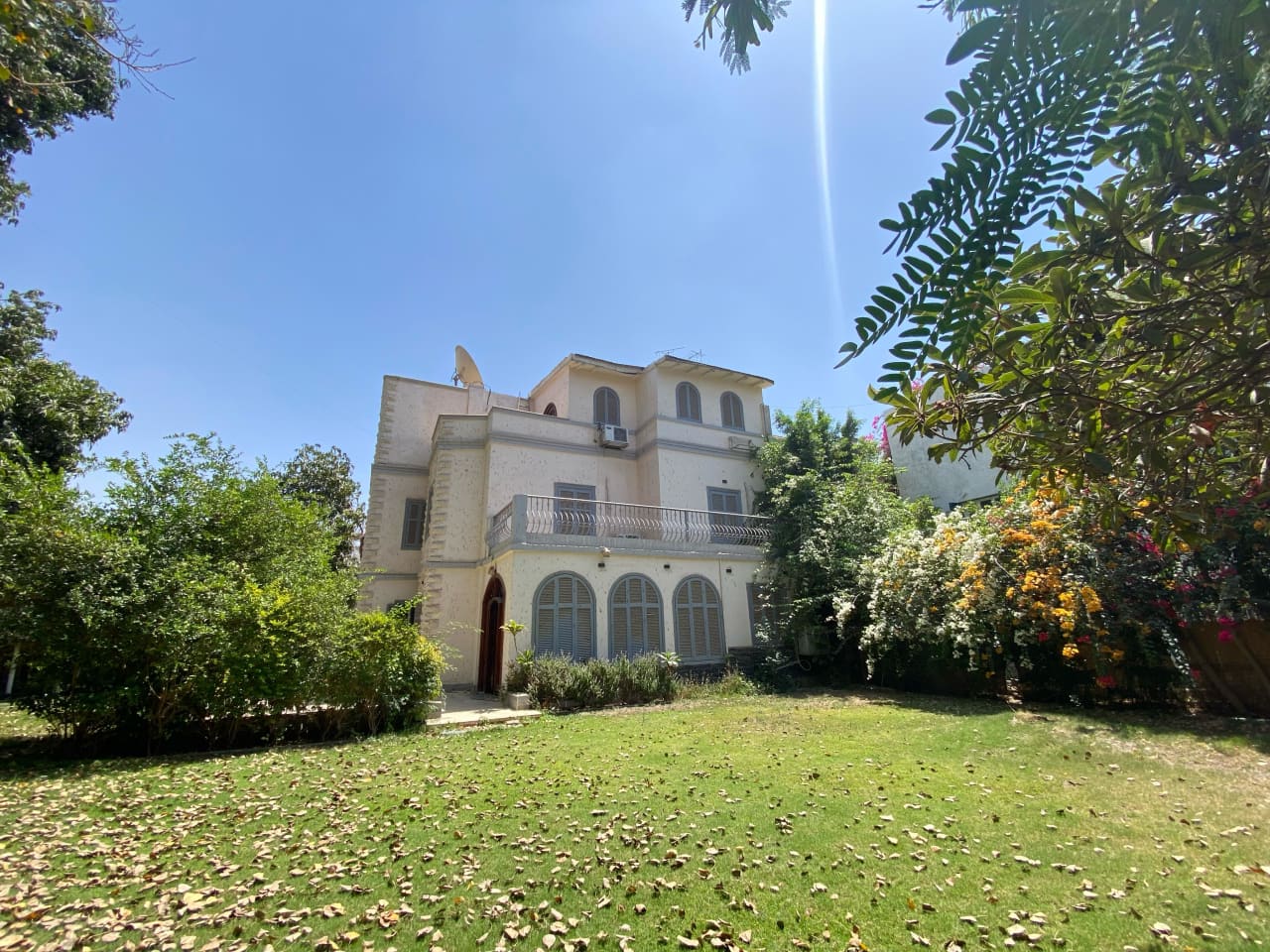
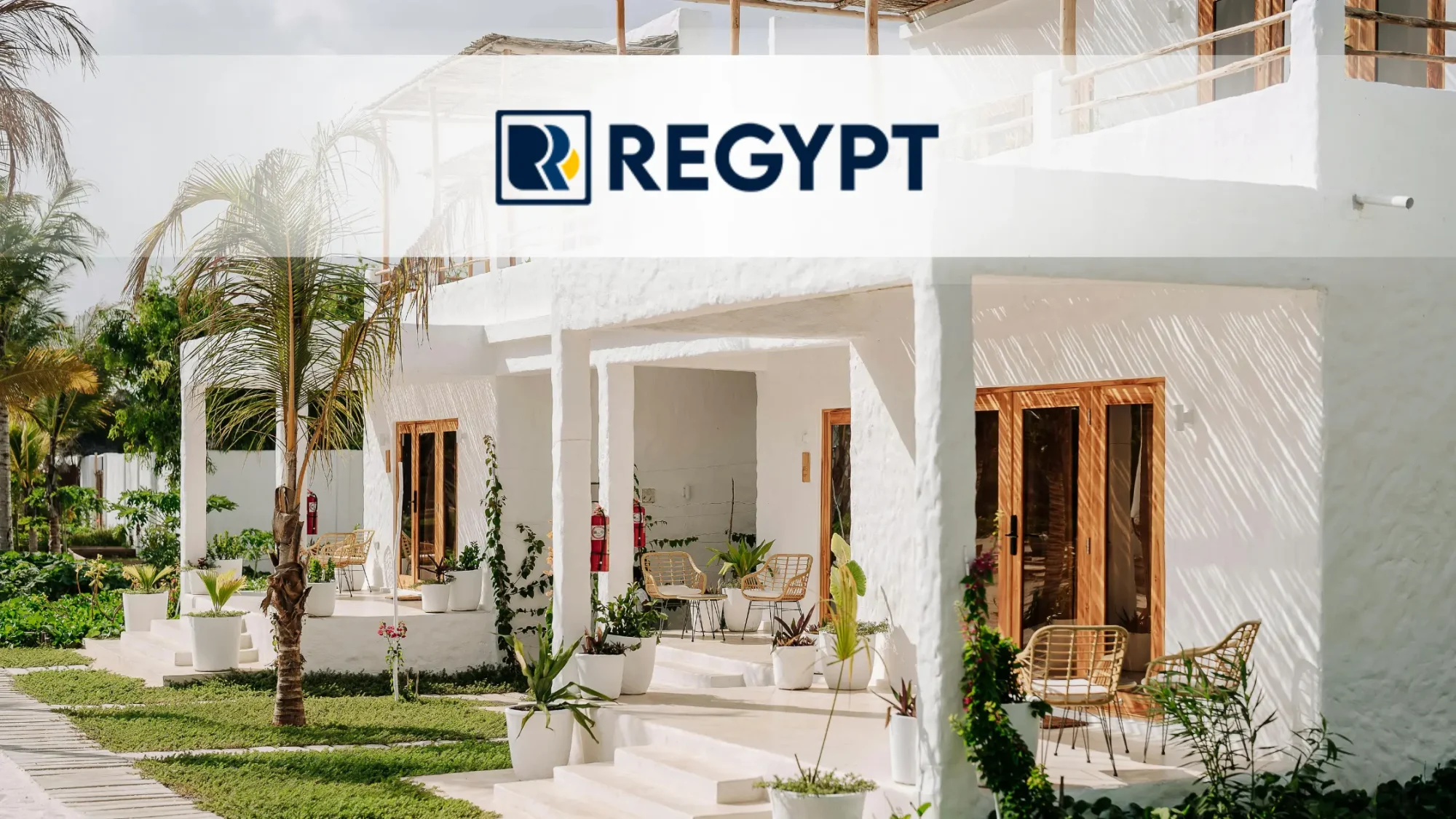
In 2026, villas in Egypt have become the fastest-growing segment in the residential market, with demand driven by families seeking space, privacy, and compound amenities. The post-pandemic shift toward remote work has made low-density living a priority, pushing buyers toward villas in Egypt’s gated communities over high-rise apartments. Developers have responded by converting land banks into villa projects, especially in New Cairo and the North Coast, with improved access via the Ring Road reducing commute times.
Why Villas in Egypt Are a Top Choice in 2026
Villas in Egypt now account for 18% of new residential sales in 2026, up from 12% in 2020, as remote work trends reshape buyer priorities. This surge reflects a broader preference for standalone properties with private gardens and shared facilities like pools and gyms. In Cairo, compounds such as those in New Cairo and Katameya have become hubs for families who value security and community over urban density. The rise of gated communities in New Cairo-particularly in areas like the Fifth Settlement and Sheikh Zayed-has accelerated this trend, offering modern villas with smart-home features and proximity to international schools. The Ring Road has further boosted connectivity, making these areas more accessible.
Meanwhile, the North Coast’s beachfront villas, from Sidi Abdel Rahman to Marassi, attract buyers looking for seasonal retreats without sacrificing long-term value. Unlike apartments, villas provide flexibility for both permanent residence and flexible leasing, making them a versatile asset villa in egypt’s evolving property landscape. Buildings in these areas, particularly those near the Ring Road, have seen increased demand due to improved connectivity.
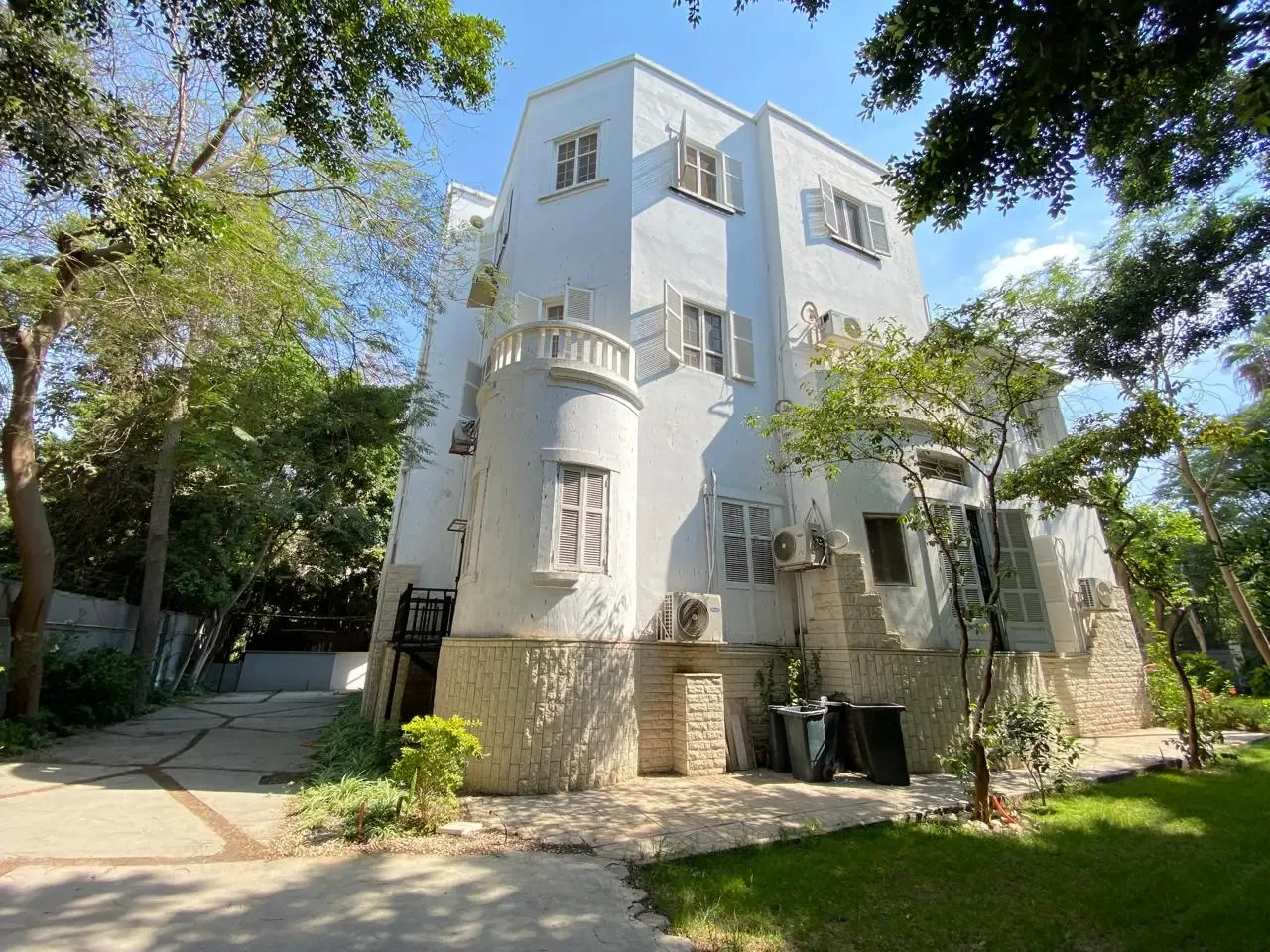
Best Locations for Villas in Egypt: A 2026 Breakdown
Choosing where to buy villas in Egypt in 2026 depends on lifestyle and budget. New Cairo remains the top pick for families, with gated compounds like Katameya offering security and schools within walking distance. Prices here run roughly EGP 35,000-65,000 per m², reflecting the demand for long-term stability near the Fifth Settlement’s business hubs. The Ring Road has improved access, reducing travel time to central Cairo.
The North Coast has transformed into a year-round destination, not just a summer escape. Villas in Egypt along Sidi Abdel Rahman now see 40% of annual bookings from Cairo-based remote workers, up from 15% in 2022. The new Ring Road link and improved internet infrastructure have made weekly commutes viable, pushing prices to the rates mentioned earlier for beachfront units. Investors favor Marassi for its rental yields, while retirees prefer quieter stretches near El Alamein.
For those prioritizing climate and leisure, the Red Sea delivers. El Gouna’s resort-style villas in Egypt command EGP 30,000-55,000 per m², with Ain Sokhna offering a more affordable alternative. The trade-off? Higher service charges (EGP 25-30 per m² annually) and limited resale liquidity outside peak seasons. Meanwhile, 6th of October’s proximity to Dreamland and Sheikh Zayed’s commercial zones makes it ideal for buyers who need city access without Cairo’s congestion. The Ring Road ensures smooth connectivity to these areas.
Price Ranges for Villas in Egypt: What to Budget in 2026
As of mid-2026, villas in Egypt span a wide price spectrum shaped by location, villa type, and finishing standards. In New Cairo, standalone villas within gated compounds range roughly EGP 35,000-65,000 per m², with the Fifth Settlement commanding a 20% premium over Katameya due to the 2025 delivery wave of international schools and hospitals. Demand for high-end amenities has outpaced supply, pushing prices upward.
On the North Coast, beachfront villas sell for the rates mentioned earlier, depending on proximity to the sea, while Red Sea resort villas in Egypt like El Gouna and Ain Sokhna average EGP 30,000-55,000 per m². Annual service charges add roughly EGP 15-30 per m², varying by compound amenities like security and landscaping.
Key Factors to Consider When Buying a Villa in Egypt
Buying villas in Egypt is not just about square metres and finishes; it is about the rules that govern the compound, the hidden costs that appear after the sale, and the long-term liquidity of your asset. In 2026, the gap between a villa that appreciates and one that sits on the market is widening, and the deciding factors are no longer aesthetics alone.
Start with the compound’s bylaws. In New Cairo and 6th of October City, gated compounds with private security and controlled entry charge service fees that can reach EGP 15-30 per m² annually as of 2026. Those fees fund 24/7 patrols, landscaping, and shared amenities, but they also cap your resale pool to buyers who accept the recurring cost. Villas in compounds with private security see roughly 15% higher resale values than those without, because crime rates in un-gated areas have risen since 2024 and buyers now prioritise safety over square footage. Buildings in these compounds are often better maintained, adding to their long-term value. The Ringroad has also improved security by reducing isolation in some areas.
How to Inspect a Villa Before Buying: A 2026 Checklist
Inspecting villas in Egypt in 2026 demands more than a casual walkthrough. Developers rushing to meet demand have cut quality control, leaving buyers to uncover hidden defects. Start with the roof-check for cracks or water stains, especially in New Cairo, where summer storms test even new builds. A single missed leak can cost EGP 200,000-300,000 in repairs within a year.
Next, test every faucet and flush every toilet. Low water pressure or slow drainage often signals pipe corrosion or improper slope, common in North Coast villas in Egypt built on sandy soil. Bring a voltage tester for outlets-many Red Sea resorts use uncertified electricians, and faulty wiring risks fire. Finally, scrutinise finishing details: uneven tiles, gaps in window seals, or hollow-sounding walls under a tap reveal rushed work. Buyers who hire independent inspectors in 2026 uncover an average of 3 hidden defects per villa, saving at the rates mentioned earlier. The Ringroad has made it easier to access inspection services in remote areas.
Financing a Villa in Egypt: Options and Pitfalls in 2026
Securing villas in Egypt in 2026 typically involves one of four routes: cash, bank mortgages, developer installments, or Islamic finance. Cash remains king, covering roughly 60% of transactions, while bank mortgages now fund only 30% of villas in Egypt-down from 45% in 2020. Banks have tightened criteria, prioritizing lower-risk apartment loans over villas, which are seen as less liquid.
Developer installments, often interest-free over 5-7 years, are popular but carry risks: delays or defaults can leave buyers with incomplete properties. Hidden fees-registration, service charges (at the rates above), and compound transfer taxes-can add 5-8% to the purchase price. Islamic finance, structured as murabaha or ijara, avoids interest but may include higher administrative costs.
Interest rates on bank mortgages currently range from 18-22% in 2026, making them less attractive for long-term buyers. A villa priced at EGP 15 million in New Cairo could cost an extra EGP 3-4 million in interest over 15 years. Always negotiate fees upfront and verify the developer’s track record-defaults in compounds like Katameya have left buyers stranded. The Ringroad has improved access to financing options by connecting buyers to more banks and developers.
Renting vs. Buying a Villa in Egypt: Which Wins in 2026?
If you are weighing whether to rent or buy a villa in Egypt this year, the answer hinges on your budget, lifestyle, and long-term plans. In 2026, the gap between the two options has widened, especially in oversupplied markets like New Cairo, where landlords are slashing rents to fill vacant compounds. For a family weighing flexibility against equity, the numbers tell a clear story: renting a villa in New Cairo now costs roughly 25% less than buying one outright, thanks to a 2025 delivery wave that left compounds struggling to attract tenants.
Take a 3-4 bedroom villa in New Cairo’s gated compounds. Buying one at the current mid-2026 price means a total outlay of EGP 10.5-19.5 million for a 300 m² villa. Factor in annual service charges of EGP 15-30 per m² (EGP 4,500-9,000 per year) and maintenance, and the carrying cost alone can exceed EGP 200,000 annually. By contrast, renting the same villa runs EGP 20,000-45,000 per month, or EGP 240,000-540,000 per year-before utilities. The math is stark: renting saves you the down payment, mortgage interest, and the risk of a depreciating asset in a market where supply is still outpacing demand.
On the North Coast, the calculus shifts slightly. Summer 2026 rents for beachfront villas in compounds like Marassi or Sidi Abdel Rahman hover around EGP 15,000-35,000 per month, but these figures spike during peak season. Buying a villa here costs the rates mentioned earlier, so a 250 m² villa runs EGP 6.25-12.5 million. The seasonal nature of rentals means landlords often accept lower off-season rates, but the total annual cost of ownership-including compound fees and upkeep-still outstrips renting for most buyers. The exception? Investors targeting short-term rental yields, where summer occupancy can hit 80-90% in prime locations like El Gouna or Ain Sokhna. The Ringroad has made these areas more accessible, boosting rental demand.
Not sure which option fits your budget and needs? Contact us and the Regypt team will walk you through the shortlist.
Conclusion: Is a Villa in Egypt Right for You in 2026?
Deciding whether villas in Egypt fit your 2026 plans hinges on three questions: your budget, your lifestyle, and your long-term goals. Villas in Egypt are no longer a luxury reserved for the ultra-wealthy; middle-class buyers now account for 40% of sales in 2026, up from 20% in 2020, thanks to developer financing plans and smaller townhouse units that lower the entry bar. If you value privacy, space, and compound amenities, a villa in New Cairo, the North Coast, or the Red Sea can deliver-but weigh the trade-offs carefully. The Ringroad has improved access to these areas, making them more attractive for both buyers and renters.