Moving to Egypt's capital is exciting, but the rental process can feel unfamiliar if you have never done it here before. Whether you are relocating for work, study, or a fresh start, knowing how to rent a property in Cairo the right way saves you time and stress, and it helps you avoid costly misunderstandings. Cairo's rental market runs on relationships, paperwork, and local customs that rarely appear in online listings. This guide explains how leases actually work on the ground, from choosing a neighborhood to signing a contract that protects you, so you can settle into your new home with confidence.
Can Foreigners Legally Rent a Property in Cairo?
Yes. Egyptian law allows non-citizens to rent a property in Cairo on the same basic terms as Egyptians. Most modern residential leases fall under the new rent law (Law No. 4 of 1996). This law lets the landlord and tenant freely agree on the duration, renewal, and conditions of the tenancy. In practice, everything important lives inside your contract, so reading it carefully matters more than any general rule.
What differs for foreigners who rent a property in Cairo is documentation. You will typically be asked for a valid passport and a valid visa or residence permit. Landlords are also expected to notify the local police station when they house a foreign tenant. This is a routine step, and you should ask about it rather than assume it has been handled. If you plan to apply for or renew a residence permit, a properly documented lease is usually part of the file. That is one more reason to get the paperwork right from day one.
Choosing the Right Neighborhood Before You Rent a Property in Cairo
Greater Cairo is huge, and your neighborhood will shape your daily life more than the apartment itself. Traffic is the factor most newcomers underestimate when they rent a property in Cairo. Start with where you work, where your children study, and how you like to spend your free time.
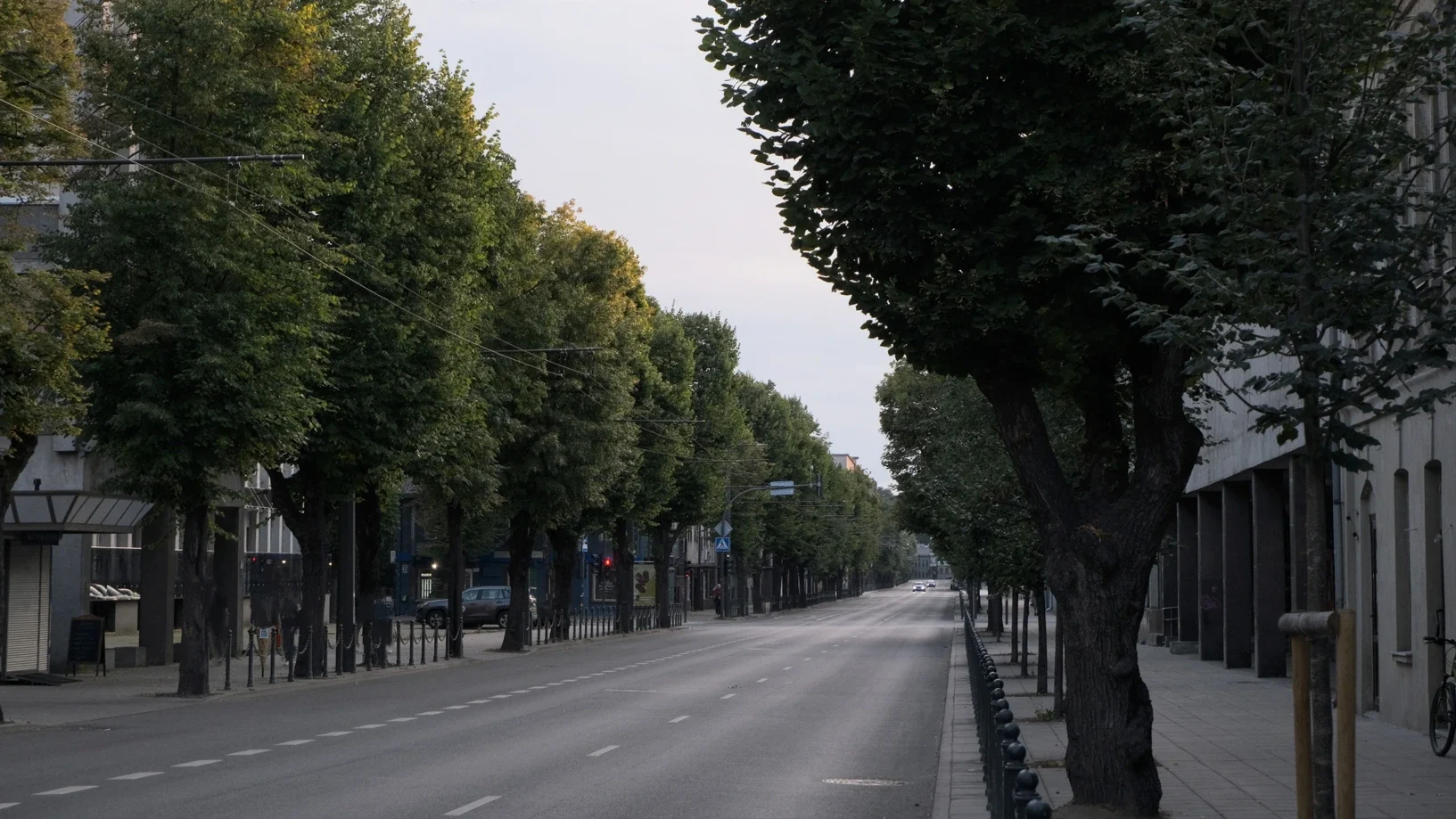
Maadi is a long-standing favorite among expatriate families, known for its tree-lined streets, international schools, and calmer pace. Zamalek, an island neighborhood on the Nile, attracts people who want embassies, galleries, and cafés within walking distance. New Cairo and the Fifth Settlement offer newer gated compounds with security, gardens, and easier parking, which appeals to families who want space. Heliopolis blends historic architecture with good access to the airport. Garden City and Downtown suit those who want to live close to the city's cultural heart. West of the Nile, Sheikh Zayed and 6th of October are popular with people who work in that corridor, although both are technically in Giza.
Visit your shortlisted areas at different times of day. A street that seems quiet on a Friday morning can be busy and noisy on a weekday evening.
Furnished vs. Unfurnished: Which Suits Your Stay?
Most foreigners who rent a property in Cairo for the first time choose a furnished apartment. You can move in quickly without buying appliances and furniture, which makes sense for stays of a year or less. Unfurnished apartments are more common for longer stays. They give you freedom to create your own space, but setting them up takes time and effort.
"Furnished" can mean very different things here. One apartment may include air conditioners, a washing machine, kitchen appliances, and linens, while another offers only basic furniture. Always ask for a written list of what is included.
Working With Brokers, Platforms, and Landlords
There are three main routes to rent a property in Cairo: a real estate broker, an online property platform, or the landlord directly. Brokers know the market and can open doors to units that never appear online. Agree on their commission, and on who pays it, before viewings begin. Online platforms let you compare options from abroad, filter by area, and see photos in advance. A trusted platform with verified listings also reduces the risk of fake ads and bait-and-switch offers.
A good rule is to never transfer money for an apartment you have not seen in person or through a live video tour. Never pay someone who cannot prove they own or manage the unit.
Documents You Need to Rent a Property in Cairo
Having your papers ready speeds up the process and shows landlords that you are a serious tenant. Prepare the following before you start viewing apartments:
Valid passport: with enough validity remaining to cover a meaningful part of your lease.
Visa or residence permit: a copy of your current entry visa or residency card.
Proof of income or employment: an employment letter or work contract reassures landlords, especially for long leases.
Copies of the owner's documents: ask to see the landlord's national ID and proof of ownership. If someone else is renting on the owner's behalf, ask for the power of attorney.
That last point is easy to overlook, yet it is one of the most important protections you have. Confirming who owns the apartment ensures that the person signing your lease has the right to rent it out.
Understanding Your Lease Contract, Clause by Clause
Leases in Egypt are usually written in Arabic. If you do not read Arabic, ask for a bilingual contract, or have an independent translator or lawyer review it before you sign. Do not rely only on a verbal summary from a broker.
Pay close attention to these clauses when you rent a property in Cairo:
Duration and renewal. Check the start and end dates and the notice periods. Also check whether renewal is automatic or requires a new agreement.
Annual increases. Under the new rent law, any annual increase should be written into the contract. If it is not mentioned, ask for it to be clarified in writing.
Payment terms and currency. Confirm whether rent is paid monthly, quarterly, or in advance, and in which currency. Keep receipts or bank transfer records for every payment.
Security deposit. Deposits are standard practice. The contract should clearly state the conditions for returning the deposit in full.
Maintenance responsibilities. Define who fixes what. Tenants usually handle minor repairs, while structural issues and major appliances often remain the landlord's responsibility. Only the contract makes this binding.
Early termination. If your job could end or relocate you, negotiate a clause that lets you leave early with reasonable notice.
Once the lease is signed, you can take it to a notary office for date certification, known locally as "ithbat tarikh." This gives your lease official standing and often helps with residency applications.
Inspecting the Apartment Before Moving In
A careful inspection is a step many people skip when they rent a property in Cairo, yet it protects your deposit later. Walk through every room with the landlord and note the condition of walls, floors, windows, doors, and furniture. Test the water pressure, water heater, air conditioners, electrical outlets, and kitchen appliances. Look for signs of dampness, especially in bathrooms and ground floor units.
Take dated photos and videos, then attach a signed inventory list to the contract. It takes about an hour, and it can prevent weeks of disputes when you move out.
Utilities, Building Services, and Daily Living
Running costs catch many newcomers off guard after they rent a property in Cairo, so ask exactly which bills are included. In many buildings, electricity runs on prepaid meters that you top up with a card, while gas and water may be billed separately. Some buildings charge a monthly service fee for the doorman (bawab), the elevator, security, and cleaning of shared areas. Ask whether these are included in the rent or paid by you.
Internet is usually a separate subscription. If you work remotely, confirm that fiber or another reliable line is available in the building before you commit. It is also worth meeting the bawab early. He often becomes your most useful contact for deliveries, repairs, and local tips.
Common Mistakes When You Rent a Property in Cairo
Many problems come from rushing. Some newcomers sign after a single viewing, skip the ownership check, or pay a large sum in cash without a receipt. Others choose an apartment for its view and later discover a punishing commute. Taking a few extra days to compare options and read the contract closely is the simplest way to rent a property in Cairo without regrets.
Another common mistake is assuming negotiation only happens at the start. Friendly, respectful communication with your landlord throughout the tenancy often resolves issues faster than formal complaints.
Short-Term vs. Long-Term Rentals
If you are unsure about the city, consider starting with a short stay. Serviced apartments and short-term rentals let you explore neighborhoods before you commit to a year-long lease. Once you know where you want to live, you can rent a property in Cairo on a longer contract with far more confidence and negotiating power.
Final Thoughts
Cairo rewards people who take the time to understand how things work. With the right neighborhood, clear paperwork, and a lease that reflects what you agreed, your apartment can feel like home quickly. The safest way to rent a property in Cairo is to combine local knowledge with careful verification at every step.
Ready to Rent a Property in Cairo? Let Regypt Help
Regypt connects foreigners and expats with verified homes across Maadi, Zamalek, New Cairo, and beyond. Options include furnished apartments, long-term leases, and short stays. Browse listings, compare neighborhoods, and speak with our team to find a place that fits your life. Start your search on Regypt today.