
Maadi has long been recognized as Cairo's leading destination for expats, thanks to its leafy streets, vibrant international community of nearly half a million residents, and relaxed, residential atmosphere compared to central Cairo. This complete guide to moving to Maadi as an expat is written for both families and solo movers, and it covers the neighborhoods, the real cost of living, schools, healthcare, getting around, and the day-to-day details you actually need before you arrive.
Is Maadi Right for You? Who It Suits and Why
Despite the many other beautiful cities in Egypt, Maadi is the destination most people picture when they imagine moving to Maadi as an expat. Residents repeatedly describe it as the place that feels like home, where convenience is never far away. You get multinational services, including international schools and hospitals, a variety of Western-style cafés and restaurants, and a vintage Egyptian soul running through it all, paired with comparatively low rental prices across diverse housing options such as apartments, villas, studios, and penthouses.
Maadi also offers easy access to downtown Cairo and the city's major roads, along with green streets and genuine walkability. Here is why it works for almost everyone: if you are a family, there is little you will miss for a comfortable lifestyle; and if you are an individual, the district always has something for every taste. That breadth is what makes moving to Maadi as an expat such an easy decision.
Choosing Your Corner of Maadi: A Neighborhood Breakdown
Maadi is not one place but several, and when moving to Maadi as an expat, the sub-area you choose shapes your rent, your commute, and your social life. Here is how the main pockets compare.
Sarayat & Old Maadi
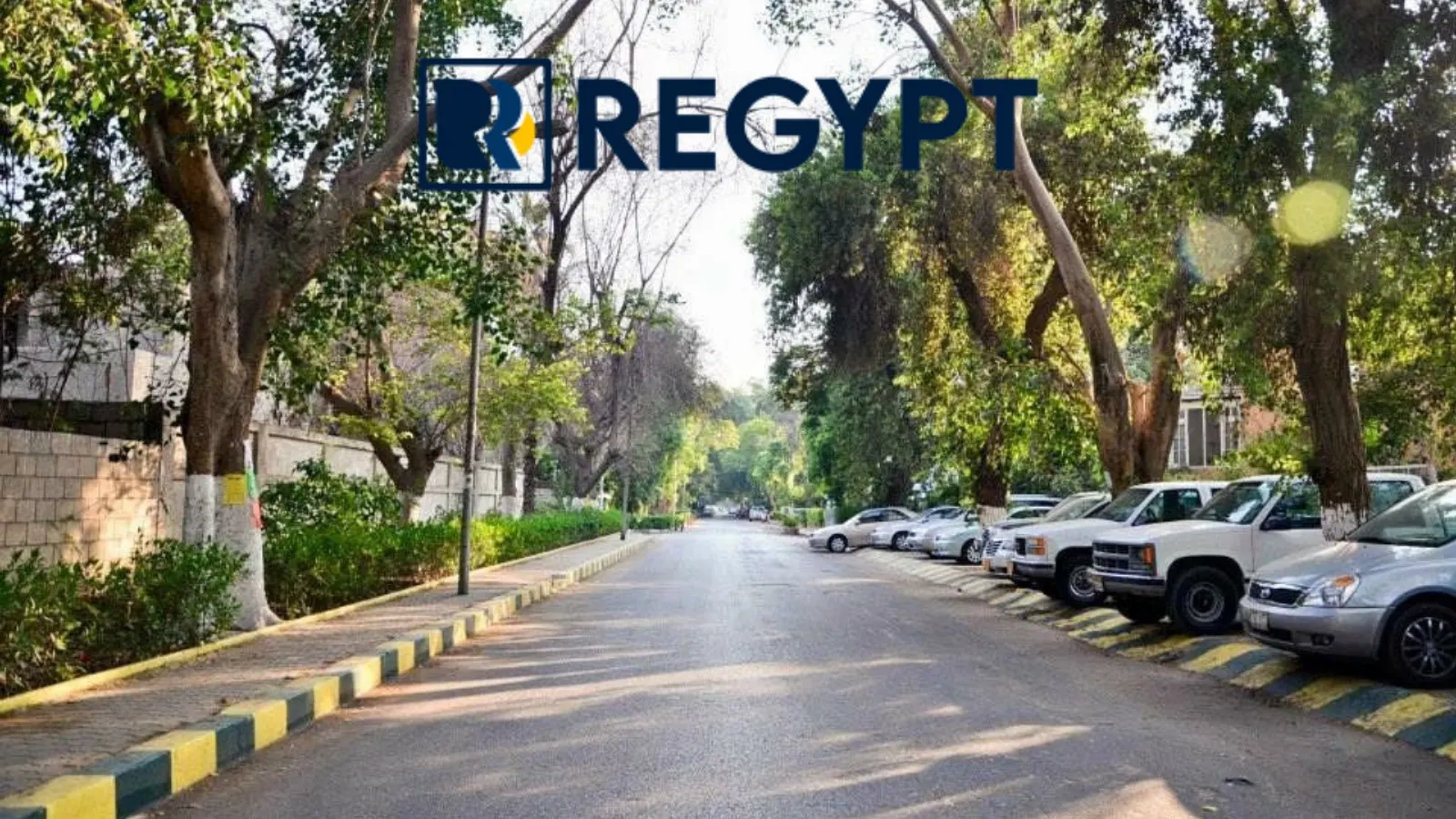
This is the Maadi of the postcards: wide, tree-lined streets, low-rise villas with walled gardens, and an unmistakable embassy-and-old-money atmosphere. Old Maadi and the Sarayat quarter sit at the premium end of the market, favored by diplomats and long-established expat families who want space, greenery, and quiet. You pay for that calm; rents here are among the highest in the district, but if your priority is a leafy, walkable enclave with character, this is the heart of it. Expect older architecture, generous gardens, and proximity to Road 9 and the Nile corniche. It remains the top pick for diplomats and for anyone moving to Maadi as an expat who values prestige and space above all.
Degla
If you are moving with children, Degla is the part of Maadi most likely to suit you. It is the family hub of the neighborhood, built around a grid of residential streets and anchored by Cairo American College, one of Egypt's most respected international schools. Degla balances apartment living with easy access to restaurants, supermarkets and sports clubs, and it tends to sit in the middle of the rental range, more affordable than Sarayat, more established than the outer sectors. For families moving to Maadi as expats who want school runs measured in minutes and a ready-made community, Degla is the default choice.
Zahraa El Maadi
Zahraa El Maadi is where you look if you want newer buildings and a gentler price tag. Set slightly back from the older core, it has a denser cluster of modern apartment blocks and a notable concentration of schools, including several British and international options. Rents here generally run lower than in Old Maadi or Degla, which makes Zahraa a popular first stop for younger professionals moving to Maadi as an expat on a tighter budget who still want to stay within the wider Maadi umbrella. The trade-off is a slightly longer hop to the leafy old streets and Nile-side spots.
Cost of Living in Maadi (2026)
Budgeting is one of the first practical steps in moving to Maadi as an expat, and the good news is that Maadi sits at the comfortable end of Cairo's rental market. Your monthly outlay depends heavily on the lifestyle you want and the apartment you choose.
What a Comfortable Monthly Budget Looks Like
As a starting point, average rental prices for apartments range from around 20,000 EGP to 500,000+ EGP per month, depending on size, finish, and location. A single expat needs roughly 70,000–100,000 EGP per month (about 1,500–2,100 USD) to live comfortably in a nice Cairo neighborhood in early 2026, including regular social outings and good private services. A more modest single-person lifestyle can come in lower, while families and those wanting upscale living, a spacious apartment, a car with a driver, frequent dining out, should budget well above that. Housing is almost always the largest line item when moving to Maadi as an expat, so it makes sense to start there.
Everyday Expenses
Day-to-day spending is easy to manage. The district is well served by international supermarkets such as Carrefour, Metro Market and Seoudi, alongside local grocers and produce stalls. Ride-hailing through Uber and Bolt is cheap and reliable for getting around the city, casual dining is affordable, and gym memberships fall in a reasonable monthly band. The combination of low everyday costs and good private services is a big part of what makes moving to Maadi as an expat so manageable.
Furnished vs. Unfurnished
One budgeting decision worth flagging early when moving to Maadi as an expat: furnished apartments in Egypt typically carry a 20–35% rent premium over unfurnished units, and expat demand drives most of that. If you are staying long term and can buy or ship your own furniture, an unfurnished lease usually works out cheaper over time. For short-to-medium stays, the convenience of a fully furnished flat often justifies the markup.
International Schools in Maadi
For families moving to Maadi as an expat, schooling is often the single biggest deciding factor, and it is one of the district's strongest cards. Maadi hosts some of Cairo's most established international schools, covering every major curriculum: American, British, IB, and French, so your choice usually comes down to where your children will continue their education afterward.
Healthcare & Insurance
Maadi is well covered for medical care, with a mix of private clinics, hospitals and specialist practices that expats use regularly. Public healthcare exists but is not the route most foreigners take; private facilities offer shorter waits, English-speaking staff and a standard of service that is more familiar to international families.
Because out-of-pocket costs at private hospitals add up, and because serious cases sometimes warrant evacuation, comprehensive international health insurance is strongly recommended for anyone moving to Maadi as an expat. Pharmacies are plentiful, well stocked and easy to find throughout the area, with many open late, though it is wise to bring a supply of any specialist or hard-to-source medication and check its legal status before you travel.
Getting Around Maadi
Transport is one of the easier parts of moving to Maadi as an expat. The district sits on the metro line, and Maadi station connects you to central Cairo in roughly 20–30 minutes without touching the traffic, a genuine advantage over neighborhoods that depend entirely on the road network.
For everything else, ride-hailing apps Uber and Bolt are the default. They are inexpensive, widely available, and remove the stress of negotiating fares. Driving yourself is possible, but Cairo traffic is heavy and parking in the older streets is tight, so many expats skip car ownership entirely or hire a driver. Within Maadi itself, much of daily life is walkable. Road 9 in particular is a pedestrian-friendly spine of shops, cafés, and restaurants where a lot of the neighborhood's social life happens.
Daily Life & Community
The community is what turns moving to Maadi as an expat into staying for years. The district has a deeply rooted international scene, supported by long-running social institutions, sports and country clubs, and an active web of expat Facebook groups where newcomers find apartments, furniture, tutors, and friends within days of arriving.
The texture of daily life is easygoing. Road 9 offers everything from European-style cafés and bakeries to tailors and hookah spots, while the Nile-side venues give you somewhere to eat, drink, and watch the river go by. Supermarkets, places of worship across faiths, green spaces and parks are all within reach, and the overall pace is calmer and greener than almost anywhere else in Cairo. It is, in short, a neighborhood built for settling in rather than just passing through.
Your Step-by-Step Maadi Relocation Checklist
Keep your move organized with this sequence; it covers the core stages of moving to Maadi as an expat from arrival to settling in:
Secure your visa or residency basis
Line up a work permit through your employer, or confirm the residency route that fits your situation, and gather legalized documents early.
Find housing
Shortlist a sub-area (Sarayat, Degla or Zahraa), then view in person and verify current rents with a trusted agent.
Sign the lease
Clarify the deposit (commonly one to a few months' rent), agent fees, and contract length, and negotiate; bargaining is normal.
Set up utilities and internet
Arrange electricity, water, gas, and a high-speed connection, especially in older flats where nothing is pre-installed.
Enroll your children
Apply to your chosen international school as early as possible and confirm the admissions timeline.
Open a bank account
Use your residence permit and lease to set up local banking for rent and bills.
Arrange health insurance
Put comprehensive international cover in place before you need it.
Contact Us
If you're moving to Maadi as an Expat are Get in touch with a trusted relocation agent to handle the paperwork, and browse our verified Maadi apartment, studios, villas, and penthouse listings to compare current rents.
Conclusion: Is Maadi Right for You?
Maadi earns its reputation as Cairo's premier expat neighborhood by getting the fundamentals right: green, walkable streets, an established international community, excellent schools, manageable costs, and an easy metro link to the rest of the city. Choose Sarayat or Old Maadi for leafy prestige, Degla for family life, or Zahraa El Maadi for newer, more affordable apartments, then plan your visa, schooling, and insurance early, and the rest tends to fall into place. That combination is exactly why moving to Maadi as an expat remains one of the smoothest relocations in Cairo.


