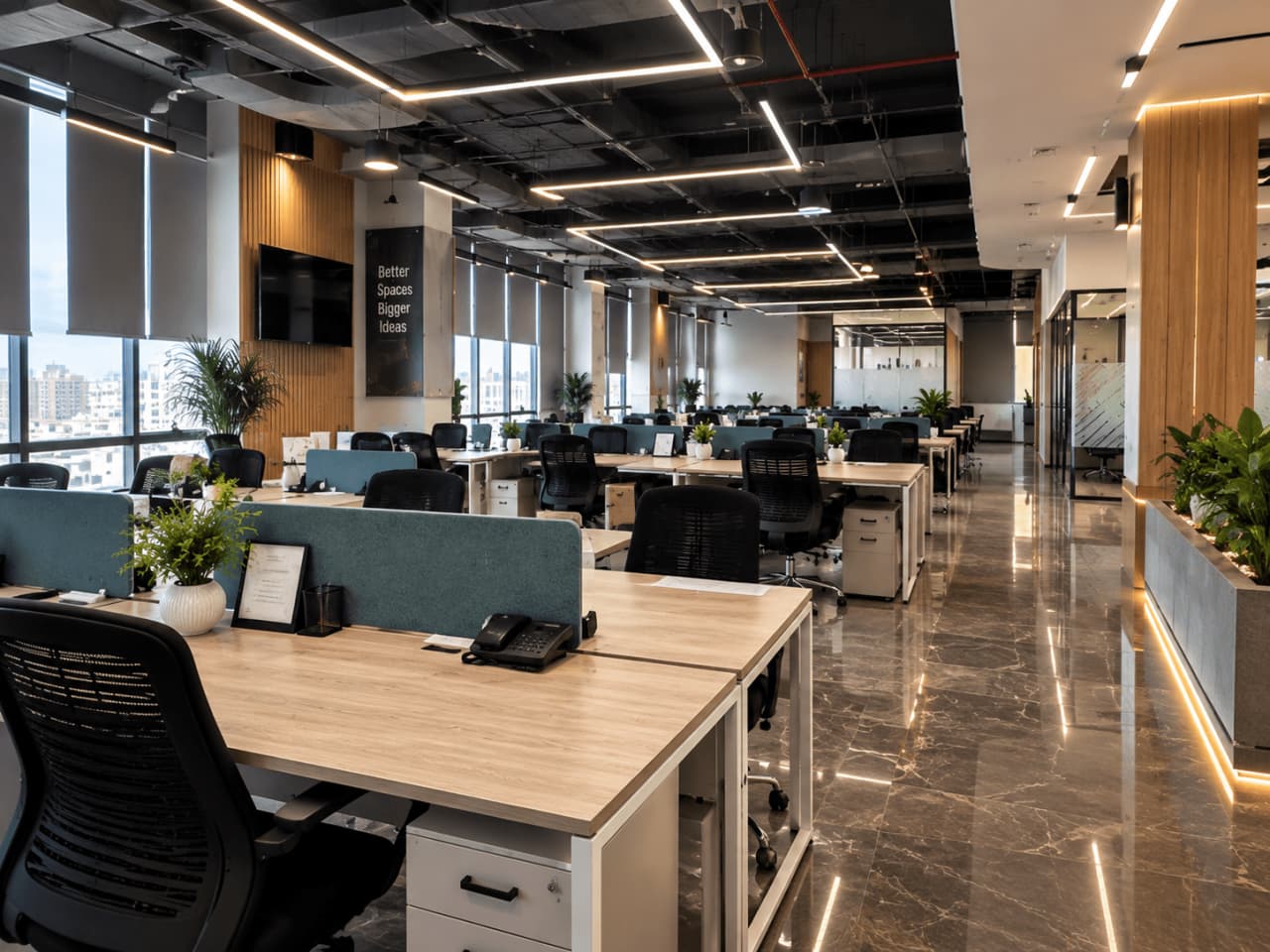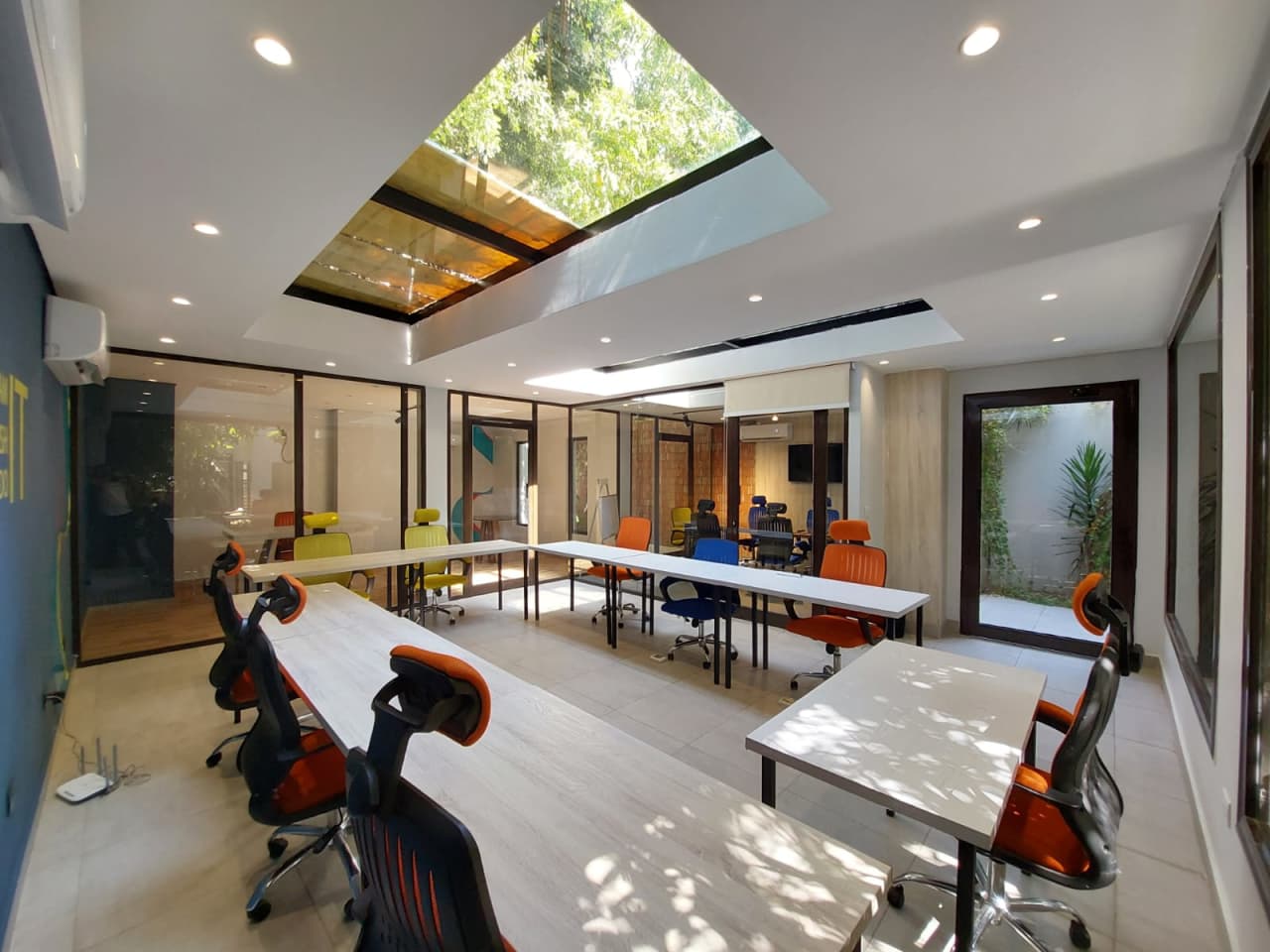

Few decisions shape a young company's cash flow as quietly as its workspace. Renting an office looks simple: pick a location, agree on a price, move in, but the headline rent is rarely the whole story. The teams that get burned are usually the ones who treated the lease like an apartment rental rather than a multi-year financial commitment. This guide walks through the mistakes we see most often, the real numbers behind them, and the questions that separate a smart signing from an expensive one.
Why Renting an Office Trips Up So Many Teams
The core problem is information asymmetry. Landlords and their agents negotiate leases every week; most tenants do it once every few years. That gap is where costs hide. When renting an office, the rent is only the first of roughly a dozen line items; service charges, business rates or property tax, insurance, utilities, fit-out, compliance, and end-of-lease dilapidations all fall on the tenant in a traditional lease. Budgeting for rent alone is the single most common trap.

Mistake 1: Fixating on the Headline Rent
A space priced per square meter can still be expensive if little of that area is usable. The gap between what you pay for and what your team can actually work in sometimes 10–20% lost to corridors, columns, and shared cores quietly inflates your real cost per desk. Before renting an office, ask for the usable area, not just the gross, and price the space by what you can occupy.
Mistake 2: Forgetting Fit-Out and Dilapidations
Shell-and-core space looks like a bargain until you factor in the cabling, data points, air-conditioning, partitions, and furniture needed to make it work. Worse, many tenants forget the obligation to restore the space to its original state at lease end. On a heavy fit-out, that exit bill can rival several months of rent. Build a sinking fund from day one so it never lands as a shock.
Mistake 3: Signing the Wrong Lease Length
Traditional office leases often run three to ten years. Commit for too long, and a growing team outgrows the space; commit with no break clause, and a shrinking team is trapped paying for empty desks. When renting an office, negotiate break options and renewal rights up front; they cost little at the heads-of-terms stage and are nearly impossible to add later.
Mistake 4: Skipping the Legal and Survey Review
The urge to sign quickly to secure a great space is real, but a commercial lease is dense with clauses on rent reviews, indexation, repair liability, and service-charge caps. A property lawyer reading the lease line by line, plus a short building survey, routinely saves tenants far more than they cost. Renting an office without that review is the gamble that produces the worst disputes.
A Quick Reality Check Before You Sign
List every cost rent, rates, service charge, utilities, insurance, fit-out, reinstatement, dilapidations against each option, then add timing: when does each hit your cash, and when do index-linked increases bite? To uncover the true cost of each option, compare serviced offices, managed spaces, and traditional leases using the same team size.
Ready to Rent the Right Way?
If you are renting an office this year, don't do it alone. Send us your headcount, budget, and growth plans, and we'll build a side-by-side cost comparison and flag the lease clauses worth negotiating so you sign with your eyes open. Contact us now to start.
Conclusion
Renting an office is one of the largest fixed commitments a business makes, and almost every costly mistake traces back to the same root: treating rent as the whole cost. Model the full picture, protect your flexibility, and get the lease reviewed. Do those three things, and you'll dodge the traps that catch most first-time tenants.