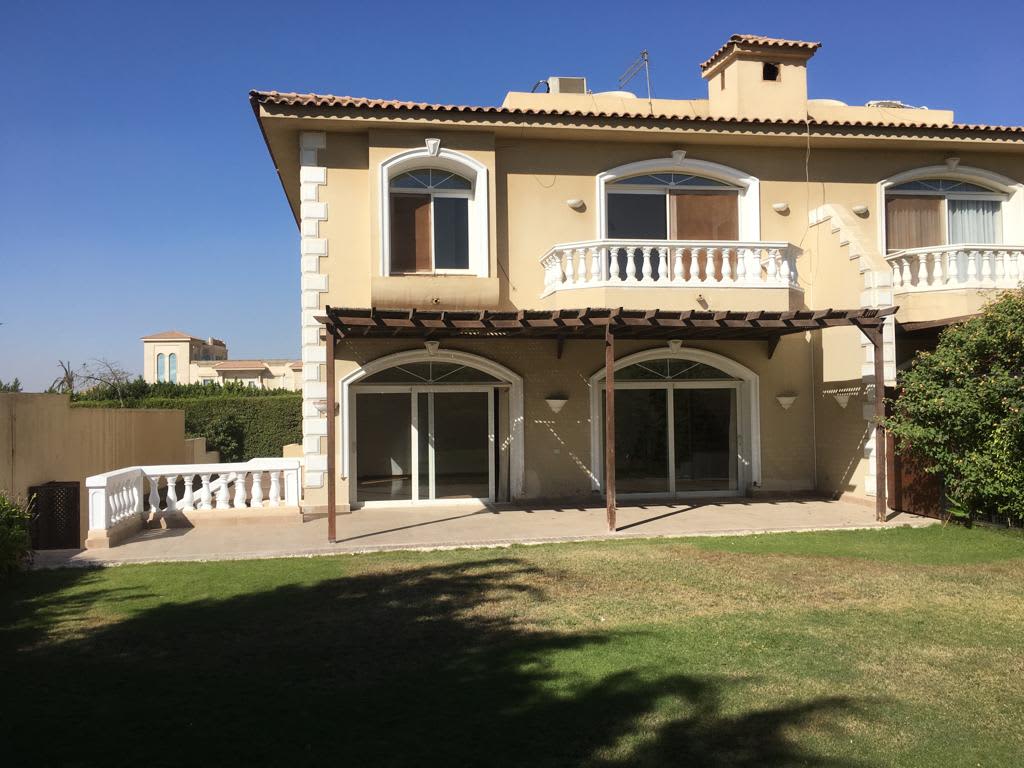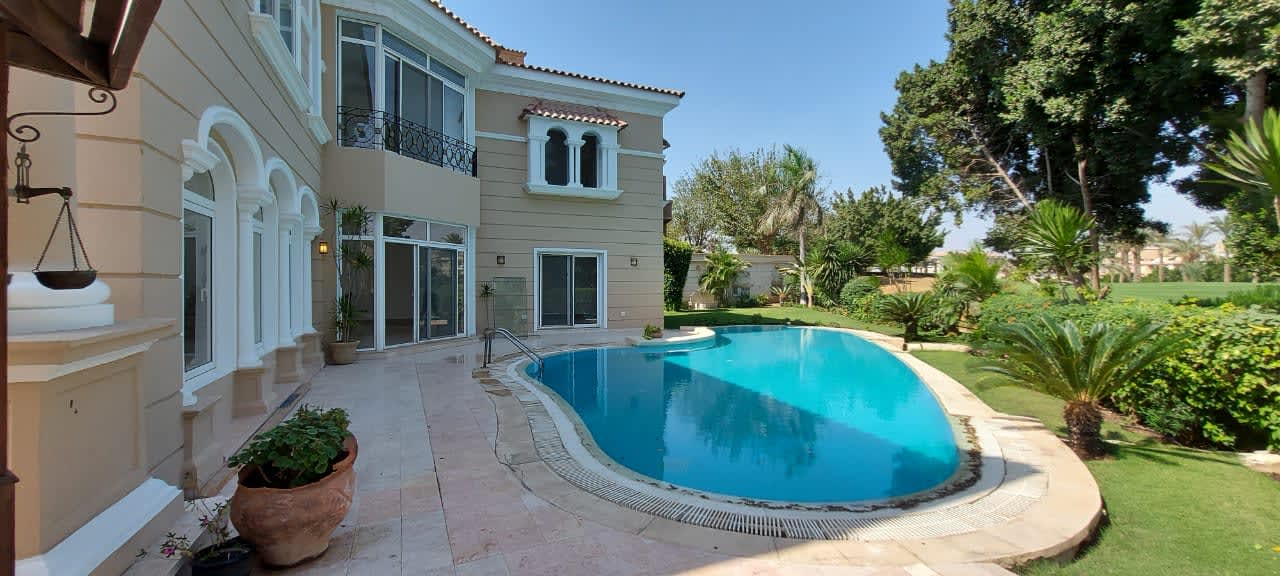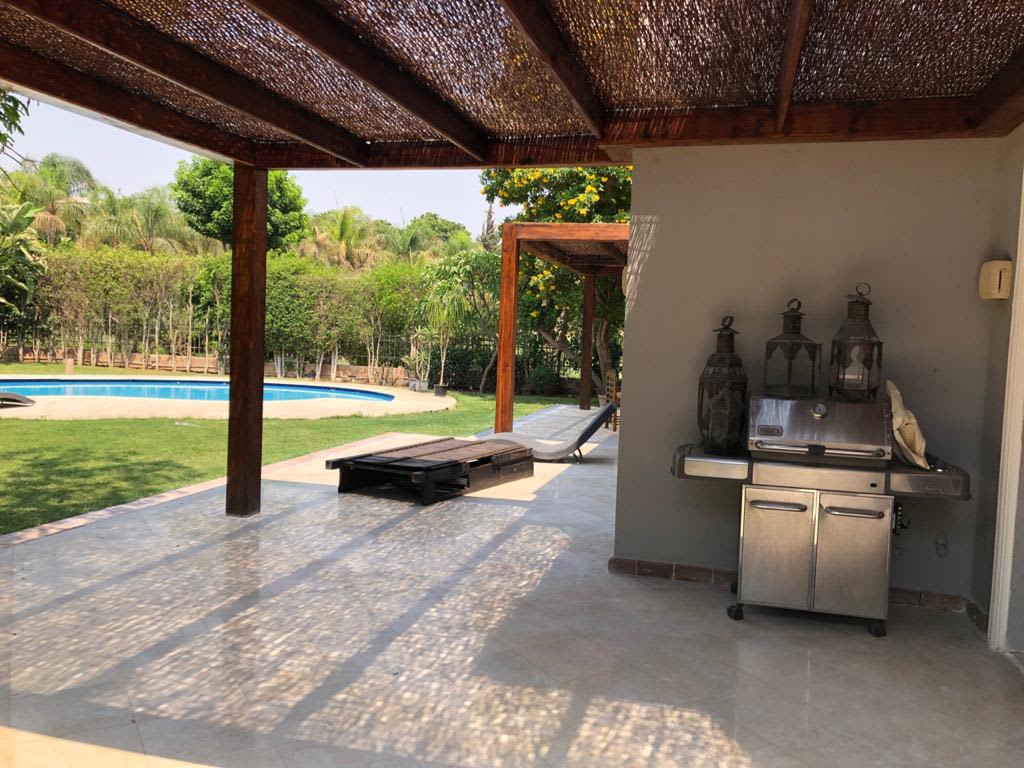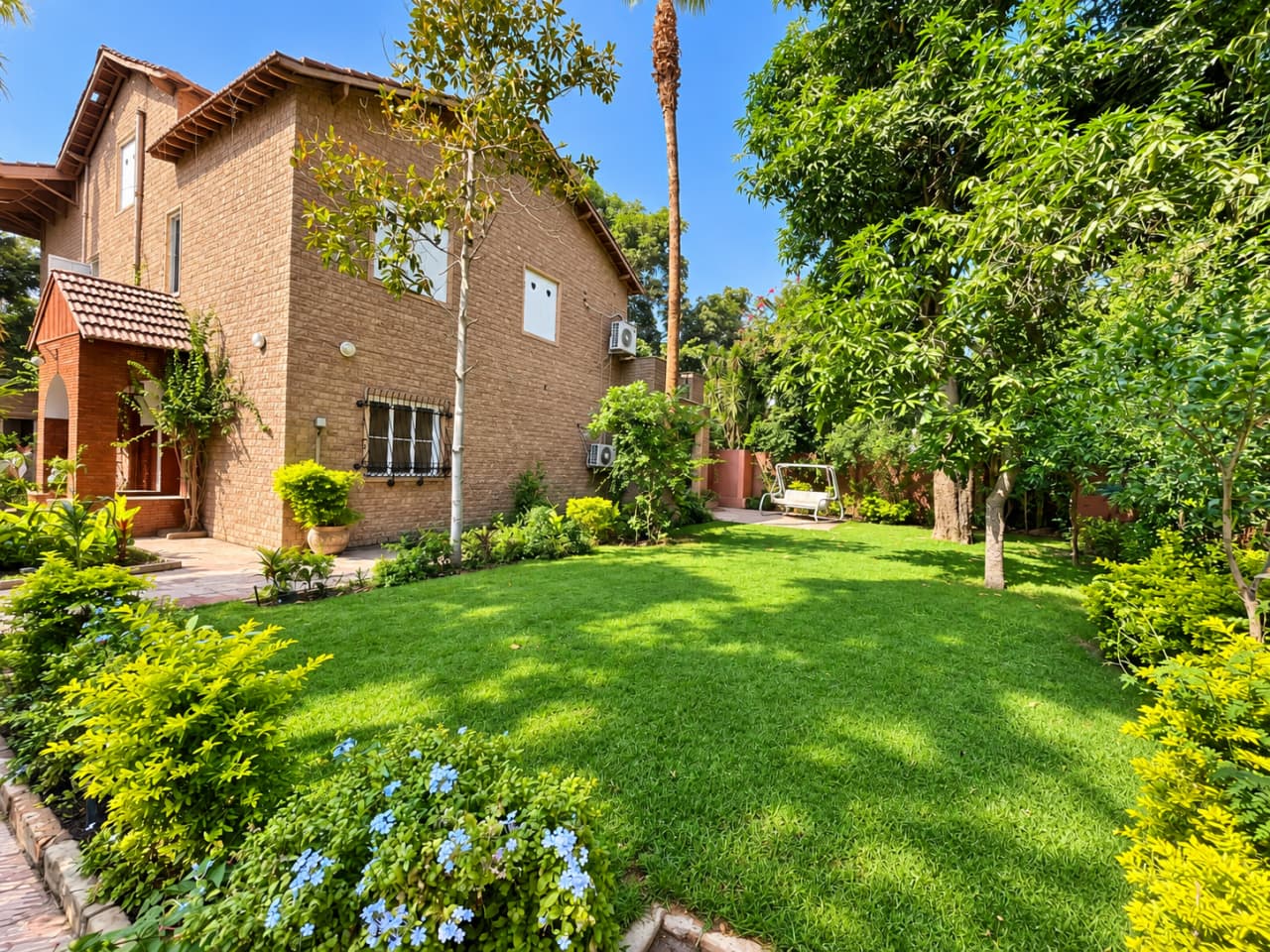
Finishing a villa is one of the most important stages in determining comfort and quality of life. It involves more than simply choosing decorations and colors. it also includes space
planning, electrical and plumbing installations, and selecting suitable materials.
Therefore, choosing a villa finishing company in New Cairo requires evaluating the
company's experience, the quality of its previous work, and its ability to execute designs according to your needs and budget.
How Do You Choose the Right Finishing Materials for Each Area of Your Villa?
Here are the main factors to consider when selecting finishing materials for each part of your villa:
1. Flooring Materials
The choice of flooring depends on how each room will be used, ceramic and porcelain tiles are suitable for kitchens and bathrooms because they are easy to clean and resistant to moisture.
Meanwhile, parquet or wood alternatives can be used in bedrooms and living rooms to create a warm atmosphere.
Marble and granite are suitable for entrances and some spacious areas, while considering the surface texture and its resistance to slipping.
2. Wall Finishes and Paint Materials
Living rooms and bedrooms require high-quality, easy-to-clean paints, with colors selected according to the room's lighting and size.
Wallpaper, marble alternatives, and wood finishes can also be used to add decorative details to selected walls.
However, moisture-resistant materials are preferable in kitchens and bathrooms to reduce the risk of damage and peeling.
3. Kitchen Materials
Kitchens are constantly exposed to heat, grease, and moisture, so it is important to choose practical materials that are easy to clean.
Quartz or granite can be used for countertops, while storage units should be made from moisture-resistant materials.
You should also pay attention to the quality of hinges and accessories to ensure ease of use and long-term durability.
4. Bathroom Materials
Bathrooms require materials that can withstand water and moisture, such as porcelain and ceramic tiles designed for floors and walls.
It is also important to choose high-quality sanitary fixtures and faucets, and to pay attention to waterproofing materials beneath floors and inside shower areas to prevent water from leaking into other parts of the villa.
5. Ceiling and Lighting Materials
Gypsum board can be used to create suspended ceilings, conceal electrical wiring, and distribute lighting fixtures. Make sure to select boards suitable for the conditions of each area, especially spaces exposed to moisture.
It is also preferable to combine different types of lighting, including main, concealed, and side lighting, according to the function of each room and its interior design.
6. Door and Window Materials
Interior doors should be selected according to the required level of privacy and intended use, while considering material durability and the quality of hinges and locks.
For windows, suitable aluminum or UPVC frames are recommended, along with glass that provides thermal and sound insulation, particularly in rooms overlooking streets.
7. Exterior Facade and Outdoor Area Materials
Villa facades require materials that can withstand sunlight, rain, and temperature
fluctuations, such as natural stone, specialized exterior paints, or certain types of porcelain. For terraces and gardens, it is preferable to use flooring that is weather-resistant and slip-resistant, while choosing materials that are easy to clean and maintain.
8. Balancing Quality and Cost
You do not need to choose the most expensive materials for every part of the villa. Instead, it is better to distribute your budget according to the importance of each area and how
frequently it will be used.
Invest in essential materials and systems such as waterproofing, plumbing, electrical installations, and flooring.
You can choose suitable, more affordable alternatives for some decorative elements without compromising finishing quality or execution safety.
What Mistakes Should You Avoid When Finishing a Villa?
When finishing a villa, poorly planned decisions can increase costs or affect the quality of execution and the final result. Therefore, it is important to plan each stage before starting and choose a finishing company with experience in villa projects.
Here are the most common mistakes to avoid:
Not setting a clear budget: Starting the finishing process without calculating material,
labor, and decoration costs may lead to overspending. It is therefore advisable to set aside an additional amount for unexpected expenses.
Choosing materials based on appearance alone: Focusing on aesthetics without
considering quality and durability may cause some materials to deteriorate and
require early replacement.
Neglecting electrical and plumbing work: Failing to plan electrical outlets, water
points, and drainage systems before closing walls and floors may require breaking
parts of the finished work later.
Ignoring waterproofing and thermal insulation: Neglecting waterproofing in
bathrooms, rooftops, and terraces may lead to water leaks and moisture problems,
while poor thermal insulation can affect indoor comfort.
Failing to use spaces practically: Choosing oversized designs or excessive decorations without considering movement and room functionality may reduce the
effective use of the villa's space.
Changing the design during execution: Making repeated changes without proper planning can delay handover and increase material and labor costs.
Not monitoring the finishing stages: Leaving the work without regular inspections may result in discovering mistakes after completing tasks that are difficult to modify.
Failing to document the agreement with the finishing company: The scope of work, materials, costs, delivery dates, and payment terms should all be specified in a clear contract to avoid disputes.
Rushing the final handover: Floors, paintwork, doors, windows, electrical systems, and plumbing should all be inspected, and any outstanding issues must be
addressed before final handover.
How Can You Monitor Execution Quality During the Finishing Stages?
Here are the main steps that can help you ensure high-quality execution:
1. Reviewing the Work Before Finishing Begins
Before any work starts, make sure to review the designs, engineering plans, room layouts, door and window locations, and electrical and plumbing points.
You should also agree with the finishing company on the types and specifications of the materials to be used to ensure that the execution matches the agreed requirements.
2. Inspecting Plumbing and Electrical Work
First-fix installations are among the most important stages to monitor because they become more difficult to inspect after flooring is installed and walls are closed.
Make sure water supply and drainage pipes are tested for leaks, and review the locations of switches, electrical outlets, and distribution boards. You should also involve specialized technicians to verify that all connections are safe and properly installed.
3. Ensuring Waterproofing Quality
Review the waterproofing work in bathrooms, kitchens, rooftops, and terraces before installing ceramic or porcelain tiles.
A water test should be conducted to ensure there are no leaks. Thermal insulation should also be checked in areas where it is required, particularly rooftops and facades exposed to direct sunlight.
4. Monitoring Floor and Wall Installation
During floor and wall installation, make sure that surfaces are level, tile joints are consistent, and there are no gaps or noticeable differences in height.
You should also review the installation direction and ensure that adhesives and mortar are suitable for the material and the area where they are being used.
5. Reviewing Painting and Decorative Work
Inspect walls and ceilings before and after painting to ensure that cracks and defects have been treated and surfaces have been properly leveled.
Make sure paint colors are consistent and that there are no visible brush marks or finishing irregularities. You should also check that gypsum board, decorative elements, and concealed lighting have been installed according to the approved design.
6. Inspecting Doors, Windows, and Woodwork
Make sure doors and windows open and close smoothly, hinges, locks, and handles are functioning properly, and there are no gaps or installation defects.
You should also review the quality of the wood and final finishes, and ensure that windows provide the required level of protection against heat and noise.
7. Conducting Regular Site Visits
Visit the villa regularly to monitor progress and compare the work with the approved designs and project schedule.
It is also advisable to document each stage with photographs, record any observations, and inform the company immediately when a problem appears to prevent similar mistakes in subsequent stages.
8. Preparing a Final Handover Checklist
Before accepting the villa, review all details and make sure that the electricity, water supply, sanitary fixtures, and lighting systems are working properly, Inspect the floors, paintwork, doors, windows, and facades.
You should also confirm that all agreed-upon issues have been resolved and collect the warranties, invoices, and documents related to the materials and completed work.
How much to furnish an apartment for rent in Cairo
Why Are the Finishing Contract and Handover Schedule Important Before Work Begins?
The finishing contract and handover schedule are among the most important matters to agree on with the finishing company before work begins.
They define the rights and responsibilities of both parties and clarify the scope of execution, costs, and expected project duration.
Having a written agreement also helps reduce disputes and avoid additional expenses caused by misunderstandings or changes to the scope of work.
Here are the main elements that should be included in the agreement:
Defining the scope of work: Specify all required finishing stages, from initial installations, electrical work, and plumbing to painting, decorations, and final fittings.
Specifying material requirements: Record the types, brands, specifications, and quality levels of the materials to be used, along with the approval process for any
alternatives.
Clarifying the total cost: Define the total finishing cost, identify the items included in the price, and clarify any additional expenses that may arise during execution.
Dividing payments into installments: Link payment dates to specific project milestones, so that each installment is paid after reviewing the completed work and
confirming that it meets the agreed specifications.
Setting an execution schedule: Specify the project start date, the duration of each
stage, and the final handover date, while clarifying how delays and unexpected
circumstances will be handled.
Defining each party's responsibilities: Clarify the responsibilities of the finishing company and the property owner regarding material purchases, execution
supervision, and providing work requirements.
Clarifying modification terms: Agree on how changes can be requested during execution, how their costs will be calculated, and how they may affect the handover
date.
Defining handover and warranty conditions: Explain how the villa will be inspected upon delivery, the warranty period for completed work, and the process for repairing
defects that appear after handover.
A clear contract and a realistic handover schedule help you monitor project progress and compare the results with the agreed requirements.
They also give you a better understanding of the expected costs and timeline before starting the villa finishing process.
Best Finishing Company in Fifth Settlement
How Can You Ensure That Your Villa Is Delivered with the Right Finishing Quality?
Accepting a finished villa requires carefully reviewing all completed work to ensure that it meets the agreed specifications and is free from defects that could require costly repairs later.
You should not rely on the final appearance alone. Instead, test the utilities and inspect both the interior and exterior details before signing the final handover report.
Here are the main points to check:
Inspecting floors and walls: Make sure floors are level, tiles or porcelain are firmly installed, joints are consistent, and walls are free from cracks, uneven surfaces, and
paint defects.
Testing electrical systems and lighting: Test all switches, electrical outlets, and lighting fixtures, and make sure distribution boards and protection systems are
functioning properly.
Testing plumbing and drainage: Turn on the faucets and check water pressure. Make sure drainage is working efficiently and there are no leaks beneath sinks or around
sanitary fixtures.
Reviewing waterproofing: Inspect bathrooms, rooftops, and terraces, and make sure there are no standing water areas, leaks, or signs of moisture.
Inspecting doors and windows: Make sure they open and close smoothly, locks and hinges are working properly, and there are no gaps that could affect insulation or
allow dust and water to enter.
Reviewing carpentry and aluminum work: Inspect the installation quality of kitchens,
cabinets, doors, and windows, and check the hinges, accessories, and final finishes.
Inspecting facades and outdoor areas: Review the quality of exterior paint and
cladding, as well as the flooring surrounding the villa. Make sure rainwater drainage
systems are functioning properly.
Reviewing systems and equipment: Test air-conditioning units, water heaters, alarm systems, communication systems, and any other equipment included in the
agreement.
Preparing a list of outstanding issues: Photograph any defects or incomplete work and ask the finishing company to address them before approving final handover.
Collecting documents and warranties: Obtain material and equipment invoices, warranty certificates, final drawings, and any documents related to the completed
work.
It is advisable to hire a specialized engineer to conduct a comprehensive technical
inspection before handover. Do not sign the final handover report until all agreed-upon issues have been resolved and the work has been delivered at the required quality level.
What Are the Prices of Finishing Packages in 2026?
What Are the Best Interior Design Styles for Modern Villas?
Choosing the right interior design for a modern villa requires balancing elegance, comfort, and practical use of space, while considering the function of each room and the needs of family members.
Several design styles can be used when finishing a villa, including:
Modern Design: Based on simple lines, calm colors, and practical furniture, with fewer decorative details to create an elegant and organized look.
Minimalist Design: Focuses on simplicity and reducing the number of furniture pieces and accessories, helping highlight spacious areas and create a comfortable
environment.
Neoclassical Design: Combines classic elements with modern touches through subtle decorative details, neutral colors, and luxurious materials.
Open-Plan Design: Connects the living room, dining area, and kitchen in one open or semi-open space, enhancing natural light and making movement around the villa
easier.
Natural Design: Uses wood, stone, and nature-inspired colors, making the most of large windows and plants to create a calm and warm atmosphere.
It is best to choose a design according to the villa's size and finishing budget, while ensuring that colors, materials, and lighting are consistent throughout the different rooms. This creates a unified overall appearance without compromising the function of each space.
What Is the Difference Between Luxury and Standard Finishing?
How Can You Make the Most of Large Spaces When Designing and Finishing a Villa?
Here are some practical ideas to help you make the most of spacious areas when designing and finishing your villa:
1. Dividing Spaces According to Their Function
Start by defining the primary function of each area in the villa. For example, you can
dedicate one space to receiving guests, another to family living, and a separate area for dining.
This arrangement helps organize movement throughout the villa and provides privacy, especially when hosting visitors or when family members are engaged in different activities.
2. Creating Multiple Living Areas
You can make better use of large spaces by creating more than one seating area, such as a main living room, a separate family lounge, or a dedicated reading and relaxation corner. Choose furniture that suits the size of each area, leave enough room for movement, and avoid overcrowding the space with furniture.
3. Making the Most of Natural Light
Large windows and glass doors allow natural light to enter interior spaces, making the villa feel brighter and more spacious.
You can enhance this effect by using light colors for walls and floors and distributing artificial lighting fixtures to provide suitable illumination for each area in the evening.
4. Making Use of High Ceilings
If your villa has high ceilings, you can highlight this feature by installing pendant lighting or designing simple gypsum board ceilings.
Floor-to-ceiling curtains can also emphasize the height and add an elegant touch. Make sure the size of the furniture and decorative elements is proportionate to the dimensions of the space.
5. Creating Spaces for Different Activities
Large spaces allow you to add facilities that improve family comfort, such as a home office, library, gym, or playroom.
The choice of these spaces should depend on your family's lifestyle and actual needs to avoid creating rooms that remain unused.
6. Connecting Indoor Spaces with Outdoor Gardens
If your villa has a garden or outdoor area, you can make the most of it by installing wide glass doors that connect it to the living or dining room, while choosing flooring and materials suitable for outdoor use.
This creates a greater sense of space and provides additional seating areas where you can enjoy the outdoors.
7. Choosing Suitable Furniture and Decorations
Furnishing a large villa requires selecting pieces that suit the dimensions of each room. Small furniture may make a space look empty, while oversized pieces can obstruct
movement.
It is therefore preferable to arrange furniture in coordinated groups and use rugs, artwork, and lighting fixtures to define different areas and give each space its own character.
best Finishing and Interior Design Company in Maadi in 2026
What Electrical and Plumbing Work Should Be Completed Before Finishing?
Electrical and plumbing installations are essential stages that must be completed before starting the villa's final finishing work. They are directly related to building safety, the
efficiency of utilities, and ease of use.
Here are the main tasks that should be planned and completed before finishing begins:
Electrical installations: Determine the locations of switches, sockets, and power
outlets according to the furniture and appliances planned for each room.
Preparing distribution boards: Design an electrical distribution board that
accommodates expected loads, with properly divided circuits and suitable protection systems.
Lighting installations: Determine the locations of main, concealed, and decorative
lighting fixtures, and prepare the required wiring before installing ceilings and
decorative elements.
Preparing air-conditioning and smart systems: Determine the locations of
air-conditioning units and wiring routes, and prepare internet, camera, and alarm
system points where needed.
Water supply installations: Install cold and hot water pipes and determine their connection points in kitchens, bathrooms, and laundry rooms.
Installing the drainage network: Determine pipe routes, slopes, and connection points for sinks, toilets, and floor drains to ensure efficient water drainage.
Waterproofing: Waterproof bathroom floors and areas exposed to water before installing ceramic or porcelain tiles, and test the waterproofing to confirm its
effectiveness.
Testing connections: Inspect electrical, water supply, and drainage networks before covering them, ensure there are no faults or leaks, and document installation routes
for future reference.
What Are the Stages of Finishing a Villa from Start to Handover?
Villa finishing involves several consecutive stages, beginning with planning and site
preparation and ending with a quality inspection and final handover.
Here are the main stages in order to ensure that the work is completed in an organized way and achieves the desired result:
1. Planning and Defining the Interior Design
The finishing process begins by identifying family members' needs and how each area of the villa will be used. The next step is preparing the interior design and planning the layout of rooms, furniture, and lighting.
This stage also includes choosing the design style, selecting suitable materials and colors, and preparing a clear estimate of the project cost and execution schedule.
2. Preparing the Site and Making Required Modifications
The villa is prepared for finishing by cleaning the site, removing debris, and carrying out any required changes to internal layouts or walls according to the approved plans.
It is important to ensure that the building is structurally sound and that no structural
modifications are made without consulting a qualified engineer.
3. Masonry and Plastering Work
This stage includes building or modifying internal partitions according to the design, followed by preparing walls and ceilings through plastering to create smooth surfaces ready for further finishing work.
Corners and dimensions should also be reviewed, and execution quality checked before moving on to the next stages.
4. Electrical, Plumbing, and Air-Conditioning Installations
Electrical wiring is installed, and the locations of switches, sockets, and lighting points are determined. Water supply and drainage networks are also installed, along with the required routes for air-conditioning systems.
All connections must be tested and confirmed to be in good condition before being covered by walls or floors.
5. Waterproofing and Thermal Insulation
Insulation work is carried out in areas that require protection from water leaks or heat, such as bathrooms, kitchens, and rooftops, depending on the needs of each space.
This stage is essential for reducing the risk of future damage and moisture problems. Insulation should be tested before proceeding with the remaining finishing work.
6. Installing Floors and Wall Finishes
After completing the initial installations and insulation, flooring and wall finishes are installed using the selected materials, such as ceramic, porcelain, marble, or parquet.
The materials should complement the interior design, and floors should be checked for levelness, with particular attention to joint quality and final finishing.
7. Installing Ceilings and Gypsum Board Decorations
This stage includes installing suspended ceilings, cornices, and gypsum board decorative elements, as well as preparing spaces for concealed and direct lighting fixtures.
The designs should suit the height and dimensions of each room without excessive
decorative details.
8. Painting and Final Wall Finishes
Walls are prepared, sanded, and treated before paint is applied. Colors and finishes are then selected according to the function and design of each room.
Wallpaper or selected decorative materials can also be added to specific areas to enhance the interior design.
9. Installing Doors, Windows, and Woodwork
This stage includes installing interior and exterior doors and windows, along with kitchens, wardrobes, storage units, and other woodwork.
Make sure the materials are of good quality and that hinges and locks are properly installed, with doors and windows opening and closing smoothly.
10. Installing Sanitary Fixtures and Electrical Equipment
Sinks, toilets, faucets, and shower units are installed, along with switches, sockets, lighting fixtures, and air-conditioning units.
All equipment and connections should be tested to ensure they are working properly and that there are no leaks or faults.
11. Landscaping and Preparing Outdoor Areas
This stage includes completing the exterior facades, entrances, and pathways, as well as preparing gardens and outdoor areas and installing suitable lighting.
Materials should be selected according to their ability to withstand weather conditions and their suitability for outdoor use.
12. Cleaning, Inspection, and Final Handover
In the final stage, the villa is cleaned and all completed work is thoroughly inspected, including floors, paintwork, doors, windows, and electrical and plumbing systems.
Any defects or outstanding issues should be recorded and resolved before final handover. You should also make sure that all warranties and documents related to the materials and equipment used are provided.
What Is the Difference Between Full and Partial Villa Finishing?
Full finishing and partial finishing differ in terms of the scope of work, cost, and time required for execution.
The following table highlights the main differences to help you choose the option that best suits your villa's needs and budget:
Comparison Criteria | Full Finishing | Partial Finishing |
Scope of work | Covers all finishing stages, from initial installations to final preparations. | Covers specific tasks or the completion of selected areas of the villa. |
Work included | Includes electrical and plumbing work, plastering, insulation, flooring, painting, doors, and final fittings. | Limited to specific tasks, such as repainting, replacing flooring, or renovating bathrooms and kitchens. |
Villa condition | Suitable for villas that require complete finishing from the beginning. | Suitable for finished villas that need renovation or modifications to certain areas. |
Cost | Relatively higher because of the number of stages and materials required. | Relatively lower, depending on the number of tasks and the scope of modifications. |
Execution time | Requires more time to complete all stages. | Usually takes less time, depending on the amount of work involved. |
Design flexibility | Allows you to create a consistent interior design and use coordinated materials throughout the villa. | May involve certain limitations because of the existing finishes. |
Modifications and renovations | Allows you to redistribute spaces and install systems according to a new design. | Usually focuses on improving specific areas without making comprehensive changes. |
Best suited for | Owners of unfinished villas or properties that require complete re-finishing. | Owners who want to renovate certain areas or improve existing finishes. |
In summary: If you are finishing a new villa or want to change all its details, full finishing gives you greater control over the design and execution.
However, if the villa is in good condition and only requires updates to specific areas, partial finishing may be a more time- and cost-effective option.
How Do You Set a Villa Finishing Budget in New Cairo?
Here are the main steps to help you estimate costs and distribute your budget appropriately before starting the finishing process:
1. Determine the Villa's Size and Current Condition
Start by calculating the total area that needs finishing, including the number of floors, rooms, bathrooms, kitchens, and outdoor spaces.
You should also assess the villa's current condition, as a property requiring complete initial installations will have different costs from one that only needs some work completed or old finishes renovated.
2. Determine the Required Finishing Level
The finishing level has a direct impact on your budget, so decide whether you want an economical, standard, luxury, or ultra-luxury finish.
This includes choosing flooring, paint, sanitary fixtures, doors, lighting, and decorative elements while maintaining a balance between quality and cost.
3. List All Required Finishing Work
Prepare a detailed list of all the work your villa requires, starting with plastering, insulation, and electrical and plumbing installations, and continuing through flooring, painting, carpentry, and final fittings.
This list will help you estimate the cost of each stage and compare finishing company quotations based on the same scope of work.
4. Estimate the Cost of Materials and Supplies
Material prices vary according to type, origin, quality, and brand. Therefore, you should compare available alternatives before purchasing.
You can allocate separate budgets for flooring, paint, sanitary fixtures, woodwork, and electrical materials.
Give priority to materials that affect the villa's safety and lifespan, such as water pipes, electrical cables, and insulation materials.
5. Calculate Labor and Execution Costs
A finishing budget covers more than just material prices. It also includes technicians' and workers' wages, as well as engineering supervision and project management costs when required.
Make sure to request detailed quotations showing the cost of each stage and whether the price includes materials, labor, transportation, and installation or covers execution only.
6. Allocate a Budget for Additional Work
Your villa may require additional work, such as garden landscaping, swimming pools, exterior facades, air-conditioning systems, smart lighting, kitchens, and storage units. It is better to identify these requirements from the beginning so their costs do not affect your main budget or delay some finishing stages.
7. Compare Finishing Company Quotations in New Cairo
Request quotations from several finishing companies and compare them based on the scope of work, material quality, execution team's experience, project duration, and payment terms.
Do not choose a company based on the lowest price alone. Make sure the quotation clearly specifies materials, quantities, and any potential additional costs.
8. Set Aside an Emergency and Contingency Budget
It is important to reserve part of your budget for unexpected changes or problems that may arise during execution, such as repairing old installations, replacing certain materials, or modifying the design.
This reserve will help you complete the finishing work without compromising quality or stopping the project because of insufficient funds.
9. Create a Schedule Linked to Your Budget
Divide your budget according to the execution stages and determine the amount required for each stage and when it should be paid based on work progress.
This helps you monitor expenses and compare them with your financial plan, while avoiding large advance payments without clear guarantees regarding execution and handover milestones.
How Do You Choose the Best Villa Finishing Company in New Cairo?
Here are the main criteria that can help you choose a suitable finishing company in New Cairo:
1. Review the Company's Experience in Villa Finishing
Choose a company with previous experience in finishing villas, not just apartments. Villas require working with larger spaces and additional elements such as facades, gardens, staircases, and outdoor areas.
It is also preferable to check the company's experience in executing different finishing styles, whether modern, neoclassical, or luxury designs.
2. Review Previous Projects and Completed Work
Ask to see photos and videos of previous projects completed by the company. If possible, visit one of its completed projects.
Pay attention to the quality of flooring, paintwork, carpentry, and fine finishing details. Do not rely solely on marketing photos; try to assess the actual execution quality and how well the details match the agreed designs.
3. Make Sure the Company Has a Specialized Team
Finishing quality depends on the experience of the team responsible for execution.
Therefore, make sure the company has engineers, designers, and technicians specializing in electrical work, plumbing, insulation, carpentry, and decorations.
Having an integrated team helps coordinate different work stages and reduces mistakes caused by poor coordination between specialists.
4. Review the Quality of the Materials Used
Ask about the types, specifications, and suppliers of the materials used by the company, especially insulation materials, water pipes, electrical cables, flooring, and sanitary fixtures. Make sure brands, types, and specifications are clearly defined before work begins to prevent agreed-upon materials from being replaced with lower-quality alternatives without your approval.
5. Compare Quotations and Cost Details
Do not rely on the total price alone when comparing finishing companies. Instead, request a detailed quotation showing the cost of each stage, material quantities, labor fees, and any additional services.
You should also confirm whether the quotation includes design, supervision, supply, and installation to avoid unexpected expenses during execution.
6. Make Sure the Company Follows the Project Schedule
Discuss the expected completion time with the company and request a schedule showing the execution stages and the start and end dates of each stage.
The deadlines should be realistic and suitable for the villa's size and the amount of work involved.
You should also agree on how delays or changes during execution will be handled.
7. Review the Finishing Contract and Execution Terms
Before signing the contract, make sure it clearly defines the scope of work, material
specifications, total cost, payment schedule, and handover dates.
The contract should also include a process for approving additional modifications, conditions for accepting completed work, procedures for addressing defects, and available warranties.
8. Monitor Supervision and Quality Assurance
Choose a company that provides regular engineering supervision to monitor execution quality and ensure that the work complies with the approved plans and specifications. It is preferable to agree on periodic reports showing completed work and the remaining stages.
Electrical, plumbing, and waterproofing systems should also be tested before installations are covered or final finishes are accepted.
9. Evaluate Customer Service and Communication
Make sure the company is easy to contact and responds promptly to your questions and feedback, especially since villa finishing is a project that involves several stages and requires ongoing decisions.
Having a clear point of contact to manage communication and follow up on modifications helps reduce misunderstandings and ensures that your requirements are implemented accurately.
10. Ask About Post-Handover Services
Ask about the services the company provides after finishing is complete, such as addressing execution defects during the warranty period or following up on problems related to materials and installations.
Make sure the warranty period and its coverage are clearly specified in the contract so that the company's responsibilities remain clear after the villa is handed over.
Best Villa Finishing Company in New Cairo
If you are looking for a villa finishing company in New Cairo, Regypt offers solutions to help prepare your villa according to your needs and budget, with a focus on execution quality and a coordinated interior design.
Regypt provides a range of options to suit different villa sizes and finishing requirements, helping you choose the level that matches your vision and budget.
Whether you want to prepare a new villa or upgrade its existing finishes, you can explore the available finishing and furnishing options and compare different packages before making your decision.
Start your journey with Regypt to find the right solution for your villa in New Cairo and create a space that combines elegance, comfort, and practicality.
What Is the Finishing Cost per Meter in Egypt in 2026?
What Services Does the Best Villa Finishing Company Offer?
Regypt provides a range of services and work to help prepare a villa from the red-brick stage until it is ready for living or use, while considering the interior design, the nature of the spaces, and the allocated budget.
The main services and work you can benefit from include:
Interior Design: Preparing a comprehensive plan for room and furniture layouts and selecting suitable colors and materials, with the option to preview the design in 3D
before execution begins.
Basic Finishing Work: Carrying out plastering, insulation, suspended ceilings, and gypsum board installations, and preparing walls and floors according to the approved design.
Electrical and Plumbing Work: Installing electrical networks and distributing lighting and switches, alongside water supply and drainage systems and preparing
bathrooms and kitchens.
Flooring and Painting: Using a variety of materials, such as ceramic, porcelain, marble, and parquet, while completing painting and wallpaper work to match the
interior design.
Carpentry and Aluminum Work: Preparing and installing doors, windows, kitchens, and storage units, while ensuring material quality and consistency with the villa's
other design elements.
Furniture Supply and Furnishing: Selecting furniture pieces that suit room sizes and intended use, then supplying, installing, and arranging them throughout the villa.
Lighting and Decoration: Coordinating lighting fixtures, curtains, rugs, accessories, and final decorative details to complete the overall look of each space.
Supervision and Final Preparation: Monitoring the execution stages and ensuring that the work matches the agreed design, then completing the final details before handing over the villa.
The details of these services vary according to the finishing level and selected package. You can explore Regypt's finishing and furnishing packages to learn more about the available options.
Read next: Properties in New Cairo · Villas in New Cairo
Not sure which option fits your budget and needs? Contact us and the Regypt team will walk you through the shortlist.